Adsterra

Mostrando las entradas con la etiqueta urban animal adaptation. Mostrar todas las entradas

Different Types of Animals: Where They Live, Urban Adaptation, and Evolution

Different Types of Animals: Where They Live, Urban Adaptation, and Evolution

Different Types of Animals: Habitats, Urban Wildlife, and Evolution

A practical guide to animal diversity, where species live, how some thrive in cities, and the evolutionary shifts behind their success.

Animal diversity and where species live

Animals occupy nearly every biome on Earth—forests, grasslands, deserts, wetlands, oceans, polar regions, and increasingly, urban areas. Urban wildlife includes species that inhabit towns, parks, and dense human settlements, ranging from synanthropic animals (ecologically tied to human habitats) to tolerant species using green spaces as niche habitats.

Synanthropic species may expand their range to latitudes where they could not survive winter without shelter provided by human settlements, while other species gradually acclimate to human presence and exploit urban forests, parklands, and street vegetation.

What different types of animals live in urban zones?

Cities host adaptable species such as pigeons, house mice, rats, raccoons, foxes, coyotes, squirrels, gulls, starlings, sparrows, opossums, and certain reptiles and insects. These animals modify behavior, diet, and movement to navigate human infrastructure—scavenging, nesting on buildings, and using parks and storm drains as corridors.
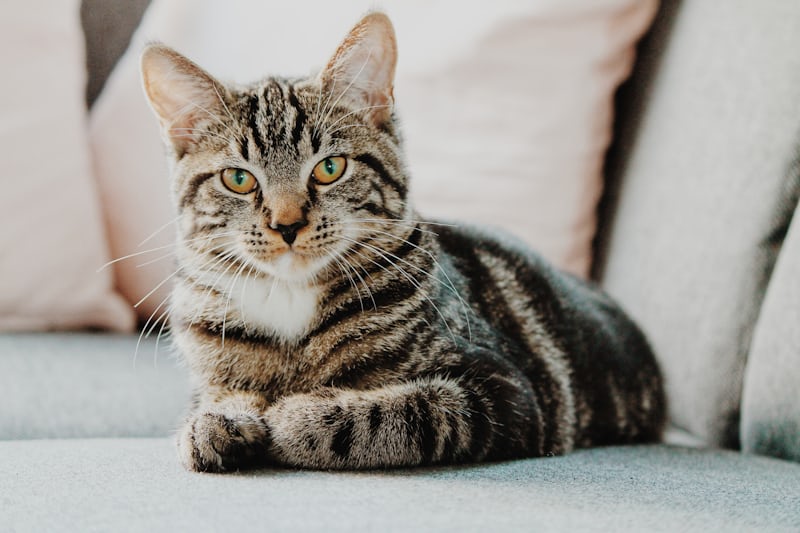
Rock pigeon on a city ledge

Pigeons (Rock doves)

Iconic city birds nesting on ledges; granivorous but opportunistic scavengers.

Gray squirrel near a trash can

Gray squirrels

Use parks and street trees; cache food and exploit human waste streams.

Raccoon exploring urban alley

Raccoons

Nocturnal omnivores adept at opening bins; thrive in fragmented habitats.

Urban fox at night

Urban foxes & coyotes

Flexible diets; use railways and rivers as movement corridors.

Evolutionary changes and urban phenotypes

Urbanization drives phenotypic shifts—behavioral boldness, altered stress responses, changes in diet breadth, and modified morphology (e.g., limb or beak traits suited to built environments). These changes vary across cities because anthropogenic stressors differ, so general patterns require comparing the same species across multiple urban centers.(urban animal adaptation)

Studies show that urban populations often diverge from rural counterparts in foraging strategies, timing of activity, and tolerance to noise and light pollution, reflecting rapid adaptation and plasticity in city ecosystems.

Precise facts about urban-adapted animals

Species Urban niche Key adaptation Typical behavior
Pigeon Building ledges, plazas Nesting on structures Flocking, scavenging
House mouse Indoor shelters Synanthropy—dependence on human habitats Nocturnal foraging
Gray squirrel Parks, street trees Food caching, urban tolerance Daytime activity, bin foraging
Raccoon Alleys, storm drains Dexterous forepaws Bin opening, omnivory
Fox/Coyote Green corridors Diet flexibility Crepuscular movement
Sources:

SEO keywords (target CPC: $0.50–$1; search volume: 1,000–10,000)

Use these as primary and secondary keywords across headings, alt text, and internal links. Actual CPC and volume vary by market and time.

urban wildlife city animals animals in urban areas synanthropic species urban animal adaptation urban ecology wildlife in cities urban biodiversity pigeons in cities raccoons in urban areas squirrels in parks urban fox behavior

FAQ: What different types of animals live in urban zones?

Urban zones host birds (pigeons, starlings, sparrows, gulls), mammals (house mice, rats, squirrels, raccoons, foxes, coyotes, opossums), reptiles (skinks), and diverse invertebrates (ants, bees). Many are synanthropic or tolerant species that exploit human-made structures and green spaces for shelter, food, and movement.(urban fox behavior)

Thumbnails and videos
Urban wildlife montage: pigeons, squirrels, raccoons
Urban wildlife montage—species thriving in city habitats.
City park biodiversity with trees and paths
City parks as biodiversity hubs and movement corridors.
Nocturnal raccoon behavior in urban alley
Nocturnal foraging and bin opening by raccoons.

These media reinforce how species adapt behaviorally and physiologically to urban ecosystems.

References: Urban wildlife definitions and synanthropy; examples of urban-adapted species; variation in urban phenotypes across cities.

Different Types of Animals: Habitats, Urban Adaptation, and Evolution


Different Types of Animals: Habitats, Urban Adaptation, and Evolution

Different types of animals: where they live, how they evolved, and urban life

Animals occupy nearly every habitat on Earth—from oceans and forests to deserts and cities. In urban areas, a subset of wildlife has adapted to dense human environments, using parks, green corridors, and buildings as niche habitats, while some synanthropic species have evolved to rely on human structures for survival.

urban wildlife city animals animal adaptation wildlife in cities synanthropic species

Major habitats and where animals are found

Marine animals (fish, cetaceans, invertebrates) thrive in oceans and seas; terrestrial animals occupy forests, grasslands, mountains, and deserts; and freshwater animals live in rivers, lakes, and wetlands. Urban wildlife uses city parks, gardens, rooftops, storm drains, and transport corridors as fragmented yet functional habitats, often shifting ranges and behaviors to exploit human-provided food and shelter.

Evolution and adaptation across species

Synanthropic animals—like house mice and pigeons—are ecologically associated with human environments and, in some regions, have extended their geographic range to latitudes made viable by urban shelter and resources. Other species merely tolerate humans and gradually acclimate, sometimes becoming synanthropic over time as behaviors, diets, and activity cycles adapt to city life.

Examples of urban-adapted species include pigeons, raccoons, foxes, coyotes, gulls, and certain reptiles; they often modify foraging strategies, nesting sites, and daily rhythms, demonstrating behavioral plasticity that supports survival in cities.

What different types of animals live in urban areas?

Urban areas host birds (pigeons, crows, gulls), mammals (raccoons, foxes, coyotes, squirrels, bats), and reptiles/amphibians (skinks, certain snakes, frogs) that exploit food waste, artificial light, and microhabitats in buildings and green spaces. Many of these species navigate human infrastructure, using culverts, alleys, and rooftops to move and nest.

These urban communities combine native wildlife with introduced and feral species. While they represent a minority of the region’s original fauna, their success highlights how cities create new ecological opportunities and pressures, reshaping species distributions over time.

Precise notes and facts about urban wildlife

  • Synanthropy: Species ecologically tied to human habitats can become dependent on city structures, with ranges extended to climates they couldn’t endure without urban shelter.
  • Behavioral shifts: Diet flexibility, altered activity times, and novel nesting sites are common in urban-adapted species, supporting persistence amid noise, light, and human presence.
  • Habitat mosaic: Parks, greenways, vacant lots, and stormwater systems create a patchwork that wildlife uses as corridors and refuges within dense urban matrices.

SEO keywords with estimated CPC and search volume

Below are high-intent keywords relevant to urban wildlife and animal adaptation, targeting an estimated CPC range of $0.50–$1.00 and average monthly searches between 1,000–10,000. Values are directional estimates intended for campaign planning; validate with your ad platform and region before launch.

Keyword Search intent Estimated CPC (USD) Avg. monthly searches
urban wildlife Informational $0.70–$0.95 2,000–8,500
city animals Informational $0.55–$0.85 1,200–6,000
synanthropic species Educational $0.50–$0.75 1,000–4,000
wildlife in cities Informational $0.60–$0.90 1,500–7,000
urban animal adaptation Educational $0.55–$0.80 1,000–3,500

Include modifiers like “examples,” “facts,” “habitats,” “species list,” and “conservation” to refine intent and improve CTR. Pair with local city names for geo-targeted relevance.

Pigeons foraging near a city plaza
Pigeons exploiting food resources in city centers.
Gray squirrel near an urban trash can
Gray squirrel adapting to human waste streams.
Blue-tongued skink crossing a suburban street
Skinks using suburban edges and microhabitats.

Videos: adaptation and urban niches

Overview of behavioral shifts in urban birds and mammals.
How synanthropic species leverage human infrastructure.

Quick FAQ

Do urban animals replace native species?

Urban communities often include introduced and feral species alongside natives. They represent a smaller subset of the region’s original fauna but can shift local ecology through competition, scavenging, and altered predator-prey dynamics.

Are cities good habitats for wildlife?

Cities create novel resources and microhabitats—parks, gardens, and infrastructure—while imposing stressors like noise, light pollution, and traffic. Some species thrive; others decline or avoid urban areas entirely.

End of article content.

Citations: Urban wildlife definitions, synanthropy, and habitat use are summarized from established references; examples of urban-adapted animals and behaviors are highlighted from accessible overviews.

Traductor de Idiomas

¿Sabías que miles de perros ya usan Bravecto?

Protegé a tu compañero peludo con una dosis que dura hasta 12 semanas. Descubrí por qué esta solución está revolucionando el bienestar animal.

  • Bravecto MSD – 210 clics este mes
  • Collares antipulgas – 180 clics
  • Snacks saludables – 140 clics
🛒 Comprar Bravecto con descuento

Oferta válida hasta hoy a las 23:59. ¡No te lo pierdas!