Different Types of Animals: Habitats, Urban Wildlife, and Evolution
Animal diversity and where species live
Animals occupy nearly every biome on Earth—forests, grasslands, deserts, wetlands, oceans, polar regions, and increasingly, urban areas. Urban wildlife includes species that inhabit towns, parks, and dense human settlements, ranging from synanthropic animals (ecologically tied to human habitats) to tolerant species using green spaces as niche habitats.
Synanthropic species may expand their range to latitudes where they could not survive winter without shelter provided by human settlements, while other species gradually acclimate to human presence and exploit urban forests, parklands, and street vegetation.
What different types of animals live in urban zones?
Cities host adaptable species such as pigeons, house mice, rats, raccoons, foxes, coyotes, squirrels, gulls, starlings, sparrows, opossums, and certain reptiles and insects. These animals modify behavior, diet, and movement to navigate human infrastructure—scavenging, nesting on buildings, and using parks and storm drains as corridors.

Pigeons (Rock doves)

Gray squirrels
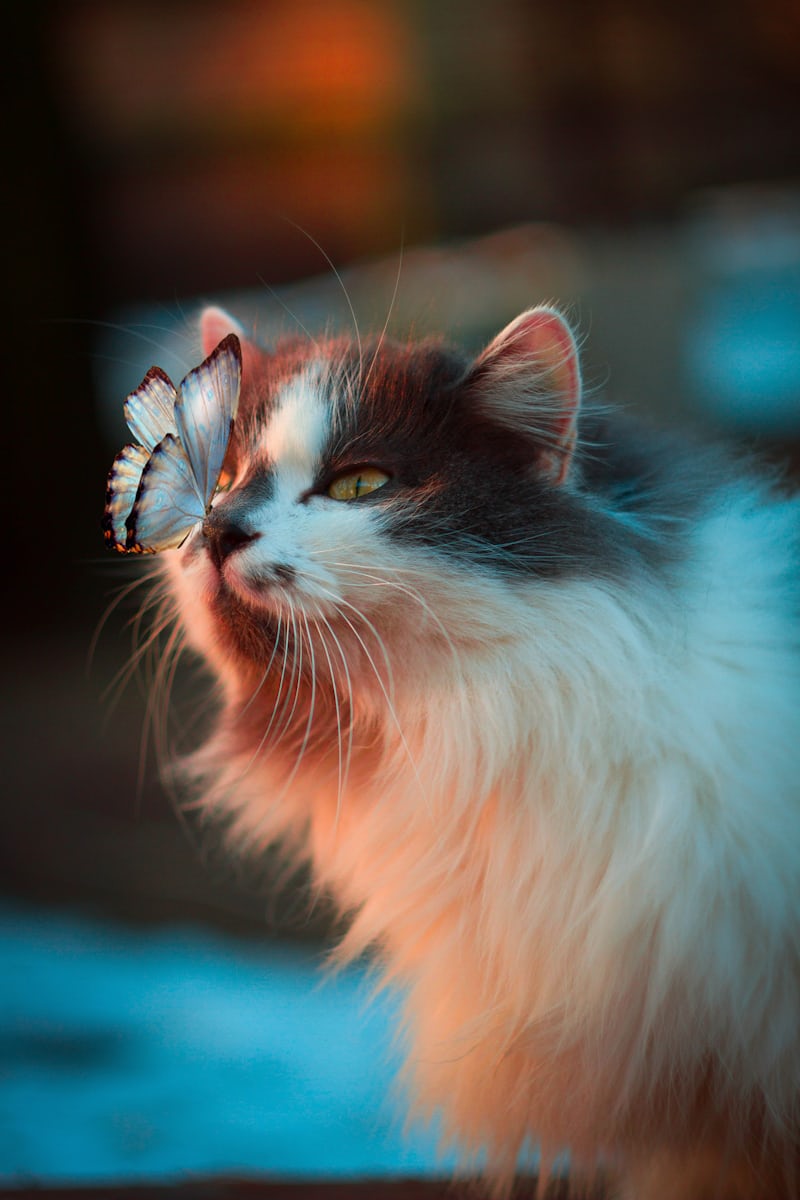
Raccoons

Urban foxes & coyotes
Evolutionary changes and urban phenotypes
Urbanization drives phenotypic shifts—behavioral boldness, altered stress responses, changes in diet breadth, and modified morphology (e.g., limb or beak traits suited to built environments). These changes vary across cities because anthropogenic stressors differ, so general patterns require comparing the same species across multiple urban centers.(urban animal adaptation)
Studies show that urban populations often diverge from rural counterparts in foraging strategies, timing of activity, and tolerance to noise and light pollution, reflecting rapid adaptation and plasticity in city ecosystems.
Precise facts about urban-adapted animals
| Species | Urban niche | Key adaptation | Typical behavior |
|---|---|---|---|
| Pigeon | Building ledges, plazas | Nesting on structures | Flocking, scavenging |
| House mouse | Indoor shelters | Synanthropy—dependence on human habitats | Nocturnal foraging |
| Gray squirrel | Parks, street trees | Food caching, urban tolerance | Daytime activity, bin foraging |
| Raccoon | Alleys, storm drains | Dexterous forepaws | Bin opening, omnivory |
| Fox/Coyote | Green corridors | Diet flexibility | Crepuscular movement |
Sources:
SEO keywords (target CPC: $0.50–$1; search volume: 1,000–10,000)
FAQ: What different types of animals live in urban zones?
Urban zones host birds (pigeons, starlings, sparrows, gulls), mammals (house mice, rats, squirrels, raccoons, foxes, coyotes, opossums), reptiles (skinks), and diverse invertebrates (ants, bees). Many are synanthropic or tolerant species that exploit human-made structures and green spaces for shelter, food, and movement.(urban fox behavior)
Thumbnails and videos


No hay comentarios.:
Publicar un comentario