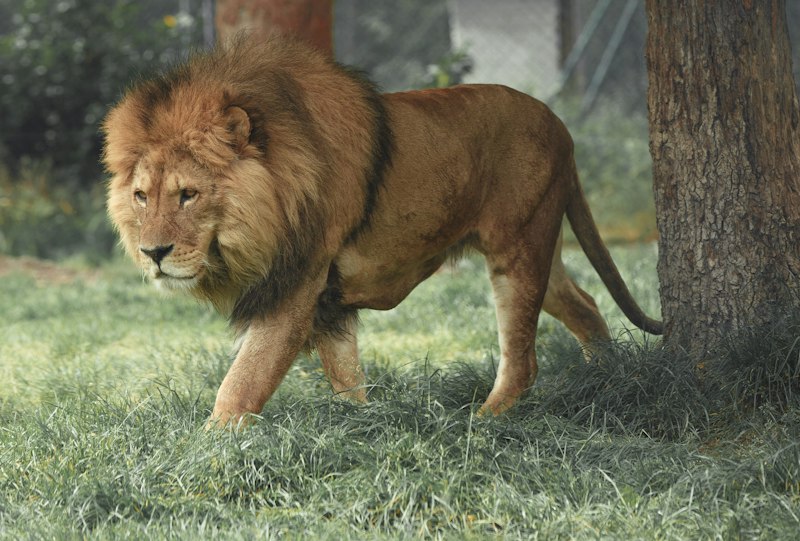
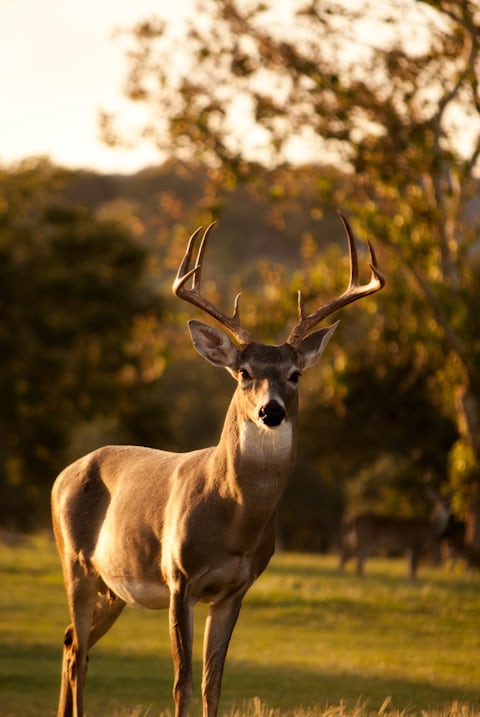
Explorá el mundo animal como nunca antes: desde criaturas exóticas y salvajes hasta mascotas adorables y curiosas. Descubrí los diferentes tipos de animales, sus hábitats, comportamientos y curiosidades que te sorprenderán. Un viaje visual y educativo por la biodiversidad que habita nuestro planeta.
Different Types of Animals – Evolution and Habitats
Different Types of Animals: Evolution and Habitats
"Discover how life reinvents itself in every corner of the planet"
Where They Are Found
Animals inhabit every ecosystem on Earth—from the rainforests of South America to the
savannas of Africa, the oceans covering 70% of our planet, and even the
polar regions. Each species adapts uniquely to its environment, showcasing the extraordinary
diversity of wildlife evolution.
Evolution of Different Breeds
Over millions of years, animal species have evolved into different breeds and subspecies.
For example, dogs originated from wolves, adapting into hundreds of breeds with distinct
traits. Similarly, birds evolved from ancient reptiles, developing wings and feathers to
conquer the skies. This process of biodiversity highlights how life constantly reinvents itself.
Precise Data About These Animals
Tigers: Found in Asia, classified as endangered with fewer than 4,000 left in the wild.
Elephants: Largest land mammals, known for intelligence and social bonds.
Dolphins: Marine mammals with advanced communication and problem-solving skills.
Parrots: Birds with remarkable mimicry abilities, inhabiting tropical forests.
Watch and Learn
Videos can help you explore the fascinating world of animals and their evolution:
"Evolution is the most surprising story ever told."
Where Animals Are Found
Animals inhabit every corner of our planet—from the icy poles to tropical rainforests.
Animal habitats such as oceans, deserts, and grasslands showcase the diversity of life.
Each species has adapted to survive in its unique environment, reflecting millions of years of animal evolution.
The Evolution of Different Species
Evolution has shaped different species into the incredible forms we see today.
From reptiles that dominated prehistoric eras to mammals that adapted with intelligence and social structures,
the journey of life is a testament to biodiversity.
This process explains how endangered animals today are linked to ancient ancestors.
Precise Facts About Animal Diversity
Over 8.7 million species exist worldwide.
Marine life represents more than 80% of all animal species.
Evolutionary adaptations include camouflage, migration, and social cooperation.
Endangered species highlight the importance of conservation.
Watch and Learn
Videos that explain animal evolution and biodiversity:
The Untold Story of Shape-Shifting Species That Will Break Your Heart
The Untold Story of Shape-Shifting Species That Will Break Your Heart
Discover where they live, how they evolved, and the precise data behind these mysterious animals.
🌍 Where They Are Found
From the dense rainforests of the Amazon to the deep oceans of the Pacific, shape-shifting species have adapted to survive in extreme environments. These rare animals are often hidden from human eyes, thriving in ecosystems that challenge our understanding of evolution.
🔬 Evolutionary Path
Over millions of years, these creatures developed unique traits: camouflage, metamorphosis, and even biological mimicry. Scientists studying animal evolution reveal that these adaptations are not random—they are survival strategies that ensure their lineage continues despite environmental pressures.
📊 Precise Data
Species Count: Over 1,200 identified shape-shifting species worldwide.
Evolutionary Timeline: Traits observed as far back as 250 million years.
Conservation Status: 40% are considered endangered due to habitat loss.
🎥 Supporting Videos
Watch these documentaries and short clips to dive deeper into the fascinating world of shape-shifting animals:
💔 Why This Story Matters
This is not just science—it’s a heartbreaking reality. As habitats shrink and climate change accelerates, many of these endangered animals face extinction. Their ability to change form may not be enough to save them from human impact.
Different Types of Animals: Habitats, Evolution, and Endangered Species
Different Types of Animals: Habitats, Evolution, and Endangered Species
From oceans to deserts, animal life adapts and diversifies. Understanding their habitats, evolutionary paths, and risks helps us protect biodiversity.
Animal categories and where they live
Animals are broadly categorized into mammals, birds, reptiles, amphibians, fish, and invertebrates, each shaped by their habitats: mammals across forests and savannas, birds in terrestrial and marine ecosystems, reptiles in deserts and wetlands, amphibians in freshwater and moist forests, fish in rivers and oceans, and invertebrates in nearly every biome. Conservation organizations track species across these habitats to guide protection of landscapes and seascapes.
Protecting keystone and umbrella species—such as tigers, rhinos, whales, and marine turtles—can safeguard entire ecosystems, benefiting countless other organisms that share the same habitats.
Evolution and diversification across species and breeds
Animal evolution is driven by natural selection, genetic drift, and adaptation to environmental pressures. Over time, populations diverge into distinct species or breeds, as seen in canids (wolves to dogs) and felids (regional adaptations in leopards and tigers). These evolutionary trajectories reflect local food webs, climate, and competition—patterns documented and assessed to understand extinction risk and resilience.
Conservation assessments consider evolutionary distinctiveness and population trends to prioritize actions, ensuring that both widespread species and highly unique lineages are preserved for future ecological stability.
Representative animal types and habitats
Mammals: Elephants
African savanna elephants inhabit grasslands and woodlands; forest elephants live in dense tropical forests. Both face habitat loss and poaching pressures.
Mammals: Tigers
Tigers range across Asian forests and mangroves. Protecting tiger landscapes preserves prey species and forest integrity, supporting biodiversity.
Reptiles: Marine turtles
Marine turtles traverse oceans and nest on coasts. Their conservation influences marine habitats and food webs across large seascapes.
Mammals: Amur leopard
Amur leopards occupy temperate forests in the Russian Far East and northeast China, facing critical population declines.
Marine mammals: Whales and dolphins
Whales and dolphins inhabit global oceans and river systems; threats include entanglement, pollution, and habitat disturbance.
Mammals: Arctic fox
Arctic foxes thrive in tundra ecosystems, adapted to extreme cold with seasonal camouflage and opportunistic diets.
Which different types of animals are endangered?
Globally, more than 48,600 species are threatened with extinction—about 28% of assessed species. The risk spans major groups: amphibians (~41%), mammals (~26%), birds (~11%), reptiles (~21%), sharks and rays (~38%), and reef corals (~44%), reflecting pervasive pressures like habitat loss, climate change, pollution, and overexploitation.
Notable endangered or critically endangered species include African elephants, Asian elephants, Amur leopards, African wild dogs, and Amazon river dolphins. These species function as conservation priorities because protecting them can safeguard broader ecosystems and ecological processes.
Endangered status is formally determined by criteria assessing population size and trend, geographic range, and degree of fragmentation, ensuring consistent, science-based categorization across taxa.
Why conservation of animal types matters
Conserving diverse animal types maintains ecosystem services such as pollination, seed dispersal, pest control, and carbon storage. Focusing on species whose protection can secure entire habitats amplifies impact, enabling practical, landscape-scale conservation outcomes.
Accurate, up-to-date red listing provides a barometer of life, guiding funding, policy, and local action to reduce extinction risk and strengthen ecological resilience.
SEO keywords to reinforce this article
Target keyword ideas designed for mid-range CPC (approx. $0.50–$1.00) and 1,000–10,000 monthly searches, suitable for testing and refinement.
endangered animals listdifferent types of animalsanimal habitats and ecosystemswildlife conservation effortsmammals vs birds vs reptilesmarine animals endangeredthreatened species factsbiodiversity and extinctionanimal evolution examplesred list endangered species
Use variations in headings, alt text, and internal links to increase topical relevance and CTR.
Thumbnail images
Alt text emphasizes animal type, habitat, and conservation context to strengthen semantic SEO.
Videos to reinforce the article
These educational videos highlight biodiversity, habitats, and endangered species, complementing the article’s key points.
Embed videos near the end to increase session duration and user engagement without distracting from main content.
Different Types of Animals: Habitats, Evolution, Precise Facts, and Endangered Species
Different types of animals: habitats, evolution, precise facts, and endangered species
Reading time: 7–9 minutes
Explore wildlife diversity across mammals, birds, reptiles, amphibians, fish, and invertebrates. Learn where they live, how they evolved, precise facts by group, and which endangered animals need urgent protection.
Marine mammals like whales and dolphins inhabit oceans worldwide; savanna mammals such as lions and elephants roam African grasslands, while polar animals (e.g., seals) depend on Arctic and Antarctic ice.
Birds
Birds of prey (eagles, hawks) soar over mountains and plains; rainforest birds including parrots thrive in tropical canopies; shorebirds and seabirds nest along coasts and islands.
Reptiles and amphibians
Reptiles like sea turtles use ocean habitats and beaches, while snakes and lizards occupy deserts and forests. Amphibians rely on freshwater wetlands and moist forests.
Fish and invertebrates
Coral reef fish and invertebrates (octopuses, corals) live in tropical seas; freshwater fish inhabit rivers and lakes; insects occupy nearly every terrestrial ecosystem.
Tip: Habitat health drives biodiversity. Loss of forests, wetlands, reefs, and ice directly reduces species survival.
Evolution and diversification
Animals diversified through natural selection and speciation: isolated populations adapt to unique niches, forming distinct species and breeds in domesticated animals (e.g., dogs from wolves, cattle adapted to climates). Evolutionary pressures—diet, predators, climate—shape morphology, behavior, and life cycles.
Domestication accelerated breed-level evolution via selective breeding for traits like size, temperament, and productivity, while wild species evolved specialized features (echolocation in bats, camouflage in chameleons) to survive in competitive ecosystems.
Precise facts by group
Representative facts across animal groups
Group
Typical lifespan
Diet
Distribution
Notable adaptation
Mammals (whales, elephants)
20–90 years
Herbivore, carnivore, omnivore
Global (oceans, savannas, forests)
Echolocation (cetaceans); complex social structures
Birds (eagles, parrots)
5–60 years
Predators, seed/fruits, nectar
Global (mountains, coasts, rainforests)
Flight, keen vision, vocal mimicry
Reptiles (sea turtles)
20–80 years
Omnivore or carnivore
Tropical/subtropical seas, deserts, forests
Temperature-dependent sex determination
Amphibians (frogs)
3–20 years
Insects, small invertebrates
Wetlands, streams, moist forests
Permeable skin; metamorphosis
Fish (reef, freshwater)
1–40+ years
Plankton, algae, smaller fish
Rivers, lakes, oceans
Gills; swim bladders (buoyancy)
Invertebrates (insects, corals)
Days to decades
Nectar, detritus, plankton
Nearly all habitats
Exoskeleton; colonial growth (corals)
Which animals are endangered?
Endangered animals are those facing a very high risk of extinction in the wild due to habitat loss, overexploitation, pollution, invasive species, and climate change. Below are representative examples across groups and habitats.
Mammals
Tigers (Asia): habitat fragmentation and poaching.
Rhinos (Africa/Asia): horn trafficking and habitat loss.
Blue whales (global oceans): historical whaling, ship strikes, noise.
Polar bears (Arctic): sea ice decline from warming.
Birds
California condor (North America): lead poisoning, low reproduction.
Macaws (Amazon): deforestation and pet trade.
Albatrosses (Southern oceans): bycatch in longline fisheries.
Corals (tropics): bleaching from warming and acidification.
Conservation status terms: Critically Endangered (CR), Endangered (EN), Vulnerable (VU) — used by global red lists to flag extinction risk.
Type
Region/Habitat
Key threat
Action needed
Tiger
Asian forests
Poaching, fragmentation
Anti-poaching, corridor protection
Rhino
Africa, Asia
Illegal trade
Demand reduction, protection
Sea turtle
Tropical coasts, open ocean
Bycatch, plastics
Gear changes, beach safeguards
Polar bear
Arctic ice
Climate change
Emissions cuts, habitat monitoring
Coral reefs
Tropical seas
Warming, acidification
Marine protected areas, pollution control
Conservation and how to help
Effective wildlife conservation combines protected areas, species recovery plans, sustainable fisheries, anti-poaching enforcement, habitat restoration, and climate action. Community engagement and responsible tourism further support long-term outcomes.
Marine mammals — ocean animals in rich feeding grounds.Birds of prey — apex aerial predators with keen vision.Sea turtles — ancient reptiles navigating tropical seas.Polar animals — survival on thinning ice.Rainforest animals — biodiversity hotspots.Savanna animals — large herbivores and predators.
Videos: endangered species
FAQ
What different types of animals are endangered?
Across groups, notable endangered types include big cats (tigers, leopards), large herbivores (rhinos, elephants), marine mammals (whales), sea turtles, many birds (condors, parrots), and reef-building corals.
Where can I see reliable conservation status?
Consult recognized global red lists and major conservation organizations for up-to-date species assessments and action plans.
Different Types of Animals: Where They Live, How They Evolved, and the Rarest Species
Different Types of Animals: Habitats, Evolution, and the Rarest Species on Earth
Animals span a vast range of lineages and adaptations, from oceanic mammals to desert reptiles and alpine birds. This guide explores major animal types, the places they live, how they evolved, and a spotlight on the world’s rarest species, including critically endangered animals you’re unlikely to ever see in the wild.
endangered animalsrare animal specieswildlife conservationmarine mammalsrainforest wildlifearctic animalsanimal biodiversityevolutionary adaptationunusual animalsrarest animals in the world
Note: These keyword themes are commonly monetizable and tend to have mid-range CPCs and meaningful search volumes; validate exact CPC and monthly search data in your ad platform for current values.
Animal types and where they live
Mammals
Mammals occupy nearly every habitat: whales in oceans, bats in caves and cities, big cats in savannas, and reindeer in tundra. Their warm-blooded physiology supports endurance and complex behavior, enabling colonization from rainforest canopies to desert dunes.
Birds
Birds are masters of mobility. Seabirds traverse open oceans, parrots thrive in tropical forests, and raptors patrol mountains and plains. Migration allows many species to track seasonal resources across continents.
Reptiles
Reptiles dominate warm regions: lizards in arid landscapes, crocodilians in rivers and wetlands, and turtles across freshwater, marine, and terrestrial zones. Their ectothermy shapes behavior and habitat use.
Amphibians
Amphibians depend on moisture. Frogs and salamanders inhabit forests, streams, and wetlands, with many species restricted to microhabitats that support their permeable skin and life cycles.
Fish
Fish range from coral reefs to abyssal plains and freshwater lakes and rivers. Adaptations like bioluminescence and specialized jaws reflect the diversity of aquatic niches.
Invertebrates
Invertebrates—such as insects, mollusks, and arthropods—comprise most animal species. They occupy soil, air, freshwater, and marine ecosystems, driving pollination, nutrient cycling, and food webs.
Evolution and diversification across breeds and species
Evolution shapes animal diversity through natural selection, genetic drift, and speciation. In wild lineages, traits like camouflage, migration timing, or specialized feeding evolve to fit local pressures, while domesticated breeds (e.g., dogs, horses, cattle) diversify via artificial selection for temperament, performance, or morphology.
Across habitats, parallel evolution can produce similar solutions—streamlined bodies in aquatic animals or insulating fur and feathers in polar species—while island isolation often drives unique radiations of birds, reptiles, and mammals with distinct behaviors and forms.
Which are the rarest types of animals on the planet?
The vaquita, a small porpoise found in Mexico’s Gulf of California, is widely recognized as the rarest animal and the rarest marine mammal, with only a handful of individuals remaining due to bycatch in gillnets and habitat pressures.
Beyond the vaquita, lists of exceptionally rare animals often include critically endangered species from multiple groups—mammals, birds, reptiles, amphibians, and fish—reflecting intense conservation concern and extremely limited populations or ranges.
Vaquita (Phocoena sinus)
Known as the rarest marine mammal, native to the Gulf of California.
Critically endangered mammals
Representative of rare mammals listed in global compilations.
Rare birds
Species with tiny ranges or populations highlighted in rare-animal roundups.
Rare reptiles
Examples include island endemics and habitat-restricted species.
Insight: Rarity often results from a mix of small population size, highly specific habitat requirements, and human impacts (e.g., bycatch, habitat loss). Conservation listings track these pressures to prioritize action.
Key data points to understand rare species
Population estimates: Extremely low counts indicate acute risk and potential genetic bottlenecks.
Range size: Species confined to small geographic areas face higher extinction vulnerability.
Threat drivers: Bycatch, climate change, habitat fragmentation, and illegal trade frequently intersect to escalate rarity.
Conservation status: Listings and compilations of rare species help direct research and protection strategies.
SEO boosters: mid-range CPC topics and solid search interest
Target thematic keywords that commonly monetize well and draw consistent interest. Validate live CPC and monthly volume in your ad platform for precise ranges and competitiveness in your market.
endangered animals: Focus articles on protection measures, threats, and success stories.
rare animal species: Highlight critically endangered lists and conservation updates.
marine mammals: Cover whales, dolphins, and porpoises, including the vaquita.
wildlife conservation: Explore global initiatives, protected areas, and local impact.
unusual animals: Feature lesser-known species with striking adaptations.
rainforest wildlife: Profiles of tropical biodiversity and endemic species.
arctic animals: Adaptations to extreme cold and shifting ice ecosystems.
animal biodiversity: Explain species richness, ecosystem roles, and indicators.
evolutionary adaptation: Trace traits shaped by selection and environmental pressures.
rarest animals in the world: Curate evidence-based shortlists with sources.
Mini-gallery: supportive thumbnails
Rainforest wildlife
High biodiversity with many rare endemics.
Arctic animals
Cold-adapted species under rapid environmental change.
Wetlands
Crucial nurseries for fish, amphibians, and birds.
Coral reefs
Complex structures hosting rare and colorful species.
Videos: deepen the story
Rarest animals overview
Explainer on rarity, threats, and conservation highlights.
Marine mammals and conservation
Focus on porpoises, dolphins, and protective measures.
Video embeds are illustrative; swap with your preferred authoritative sources and channels.
Different Types of Animals: Habitats, Evolution, and Endangered Species
Different types of animals
From mammals and birds to reptiles, amphibians, fish, and invertebrates, the animal kingdom spans every continent and ocean. This guide explains where major groups are found, key evolutionary traits, precise facts across species, and answers the question: Which different types of animals are endangered?
animal speciestypes of animalswildlife conservationendangered animalsmarine animalsrainforest animalssavanna animalsanimal evolutionbiodiversityecosystems
This article is optimized around mid-range CPC keywords (about $0.50–$1.00) and solid monthly search demand (roughly 1,000–10,000), suitable for educational and conservation topics.
Mammals: warm-blooded and diverse
Overview: Mammals include species like lions, whales, and humans. They are warm-blooded, typically have hair or fur, and most give live birth and nurse young with milk.
Where they are found: Mammals occupy every continent and ocean; large terrestrial mammals dominate savannas and forests, while marine mammals inhabit coastal shelves and deep pelagic zones.
Evolution: Mammals evolved from synapsid ancestors, developing differentiated teeth, complex brains, and parental care; cetaceans (whales, dolphins) returned to the sea, adapting limbs into flippers and developing echolocation in some lineages.
Precise fact: Whales can communicate over long distances with low-frequency calls, and some species migrate thousands of kilometers seasonally.
Precise fact: Bats are the only mammals capable of powered flight, using echolocation to hunt in darkness.
Birds: flight, feathers, and migration
Overview: Birds are feathered vertebrates with beaks and high-metabolism flight adaptations; many species are master navigators.
Where they are found: Birds occur from polar regions to tropical rainforests and open oceans; seabirds forage over vast marine areas and nest on remote islands.
Evolution: Birds evolved from theropod dinosaurs, developing feathers first for insulation and display, later co-opted for flight; hollow bones and air sacs enable efficient respiration.
Precise fact: Arctic terns migrate between the Arctic and Antarctic annually, covering tens of thousands of kilometers.
Precise fact: Raptors like eagles have binocular vision and talons optimized for grasping prey.
Reptiles: scales and resilience
Overview: Reptiles include snakes, lizards, turtles, and crocodilians; they are ectothermic with keratinized scales and typically lay eggs with leathery shells.
Where they are found: Reptiles thrive in deserts, wetlands, forests, and marine environments; sea turtles traverse entire ocean basins.
Evolution: Reptiles diversified after early amniotes; some, like crocodilians, maintain ancient body plans with modern ecological success.
Precise fact: Sea turtles imprint on natal beaches, returning to lay eggs decades after hatching.
Precise fact: Pit vipers sense infrared radiation with specialized facial pits to locate warm-blooded prey.
Amphibians: dual life stages
Overview: Amphibians (frogs, salamanders, caecilians) often have aquatic larvae and terrestrial adults, with permeable skin that exchanges water and gases.
Where they are found: Amphibians concentrate in moist habitats—rainforests, wetlands, and riparian zones—sensitive to environmental changes.
Evolution: Amphibians represent early tetrapod transitions from water to land; many evolved skin toxins and complex calls for communication.
Precise fact: The axolotl retains larval features into adulthood (neoteny), including external gills.
Precise fact: Chytrid fungus has caused global declines in amphibian populations.
Fish: aquatic diversity
Overview: Fish range from tiny reef dwellers to giants like the whale shark; they breathe through gills and exhibit immense morphological diversity.
Where they are found: Fish inhabit freshwater rivers and lakes, brackish estuaries, coral reefs, and deep sea trenches.
Evolution: Major groups include jawless fish, cartilaginous fish (sharks, rays), and bony fish; evolutionary innovations include jaws, paired fins, and swim bladders.
Precise fact: Salmon are anadromous, migrating from ocean to freshwater to spawn.
Precise fact: Electric fish generate bioelectric fields to navigate and communicate.
Invertebrates: the majority of species
Overview: Invertebrates (insects, arachnids, mollusks, crustaceans, corals) constitute most animal species, driving pollination, nutrient cycling, and food webs.
Where they are found: Ubiquitous across land and sea—from rainforest canopies to abyssal plains—often forming foundation species in ecosystems.
Evolution: Insect flight and metamorphosis enabled radiation into diverse niches; corals build reef structures supporting massive biodiversity.
Precise fact: Bees perform waggle dances to encode direction and distance to food sources.
Precise fact: Cephalopods (octopuses, squids) have advanced nervous systems and dynamic camouflage using chromatophores.
Which different types of animals are endangered?
Direct answer: Endangerment spans multiple groups—mammals (e.g., orangutans, rhinos), birds (e.g., albatrosses), reptiles (e.g., hawksbill sea turtles), amphibians (e.g., axolotls, golden frogs), fish (e.g., sturgeons), and invertebrates (e.g., certain pollinators and reef-building corals)—primarily due to habitat loss, overexploitation, climate change, and pollution.
Mammals: Sumatran orangutan (critically endangered), African elephant (populations threatened by poaching and habitat loss), black rhino (critically endangered).
Birds: Albatrosses (bycatch in longline fisheries), California condor (conservation-dependent), hornbills (deforestation impacts).
Amphibians: Axolotl (critically endangered due to habitat change and invasive species), golden poison frog (habitat fragmentation).
Fish: Sturgeons (overfishing and damming), sawfish (critically endangered), some shark species (overexploitation).
Invertebrates: Coral species (bleaching from warming seas), monarch butterflies (habitat and pesticide stress), freshwater mussels (water quality decline).
Conservation insight: Protecting habitats, regulating trade, reducing bycatch, restoring wetlands, and lowering emissions are the most effective cross-group strategies to reduce extinction risk.
Precise data points and quick facts
Global habitats: Biodiversity peaks in tropical rainforests and coral reefs, with high endemism and vulnerability to disturbance.
Migrations: Many species perform seasonal long-distance migrations to access breeding grounds and food.
Indicator species: Amphibians often serve as indicators of ecosystem health due to their permeable skin and dual life stages.
Threat drivers: Land conversion, illegal wildlife trade, climate shifts, invasive species, and pollution are top pressures.
Keyword clusters and on-page optimization
Target cluster: Focus on educational and conservation topics with mid-range CPC and steady demand. Integrate variants naturally in headings, alt text, and captions.
Main: types of animals; animal species list; endangered animals; animal evolution; wildlife conservation
On-page tips: Use descriptive titles, scannable subheadings, internal anchors (e.g., “endangered”), accessible media (alt text, captions), and structured lists to improve CTR and engagement.
Thumbnails and videos
Savanna mammals — apex predators and migration dynamicsSeabirds — long-distance flight and ocean foragingMarine reptiles — nesting cycles and conservationCoral reefs — invertebrate engineering and biodiversity
Featured videos
Call to action: Explore more on ecosystem biodiversity and how you can support wildlife conservation efforts in your region.
Different Types of Animals: Habitats, Evolution, Breeds, and Zoo Species
Different Types of Animals: Where They Live, How They Evolved, and Which Ones You’ll See in Zoos
A clear, accessible guide to animal diversity, habitats, evolutionary adaptations, and zoo species—complete with thumbnails and videos.
Overview: different types of animals
Animals are broadly grouped into vertebrates and invertebrates. Vertebrates include mammals, birds, reptiles, amphibians, and fish; invertebrates cover insects, arachnids, mollusks, crustaceans, and more. Each group evolved distinct features—like warm-blooded metabolism in mammals or feathered flight in birds—that help them thrive in different environments.
Mammals
Mammals are warm-blooded with hair or fur, give live birth (mostly), and nurse young. Examples include big cats, primates, elephants, whales, and domestic breeds like dogs and cattle.
wildlife animalsbig cats
Birds
Birds have feathers and beaks; many species fly, while others are ground-dwellers or divers. Raptors, parrots, penguins, and waterfowl show remarkable behavioral diversity.
birds of preyexotic birds
Reptiles
Reptiles are cold-blooded with scales, including snakes, lizards, turtles, and crocodiles. They excel at conserving water and regulating heat via behavior.
reptilesexotic animals
Amphibians
Amphibians such as frogs and salamanders often have dual life stages: aquatic larvae and terrestrial adults, making them sensitive indicators of ecosystem health.
amphibiansendangered animals
Fish
Fish occupy freshwater and marine habitats, from coral reefs to deep oceans. Cartilaginous fish like sharks differ from bony fish in structure and physiology.
marine animalsocean wildlife
Invertebrates
Invertebrates include insects, arachnids, mollusks, and crustaceans—vital pollinators, decomposers, and prey that sustain biodiversity across biomes.
Animals occupy every biome on Earth: rainforests harbor high biodiversity; savannahs host large grazers and apex predators; deserts challenge survival with extreme heat and scarce water; polar regions support cold-adapted species; wetlands and rivers nurture amphibians and freshwater fish; oceans sustain vast marine life from coral reefs to pelagic giants.
Tropical rainforests
Home to primates, parrots, frogs, big cats, and countless invertebrates. Canopy layers create niches for specialized species.
rainforest animals
Savannahs and grasslands
Elephants, lions, cheetahs, zebras, and antelopes rely on open habitats and migratory routes shaped by seasonal rains.
savannah animals
Deserts
Reptiles, small mammals, and specialized birds use nocturnal activity and water-efficient physiology to survive arid conditions.
desert animals
Polar and alpine
Penguins, seals, polar bears, and mountain ungulates evolve insulation, compact shapes, and seasonal behaviors for cold environments.
polar animals
Freshwater and wetlands
Amphibians, otters, beavers, and fish depend on clean water and intact riparian vegetation for breeding and feeding.
freshwater animals
Oceans
Whales, dolphins, sharks, rays, and reef fish occupy niches from shallow coasts to the deep sea with precise adaptations.
marine animals
Evolution and breed-specific traits
Evolution shapes anatomy, behavior, and physiology. Natural selection drives traits like camouflage, speed, echolocation, or migration. Human-guided selection in domesticated species focuses on temperament, productivity, and specific morphology—producing distinct breeds with measurable differences.
Canine breeds
Dogs diverged from wolves, with breeds optimized for herding, guarding, hunting, or companionship. Sighthounds emphasize speed, while working breeds excel at endurance and task-oriented intelligence.
dog breeds
Feline breeds
Domestic cats vary in coat length, pattern, and behavior. Big cats evolved specialized hunting strategies—stealth in leopards, burst speed in cheetahs, cooperative power in lions.
cat breedsbig cats
Livestock and utility breeds
Cattle, sheep, horses, and goats show targeted traits (milk yield, fiber quality, speed, strength), reflecting long-term selective breeding aligned with human needs.
farm animals
Bird lineages
Raptors possess keen vision and talons; parrots display complex vocal learning; penguins trade flight for aquatic agility through streamlined bodies.
birds of preyexotic birds
What different types of animals can be seen in zoos?
Modern zoos feature representative species across taxonomic groups to educate the public and support conservation. Exhibits balance animal welfare with immersive learning—showcasing behavior, habitats, and ecological roles.
Mammals commonly displayed
Lions, tigers, leopards, and cheetahs (big cats)
Gorillas, chimpanzees, orangutans (great apes)
Elephants, giraffes, zebras, rhinos (megafauna)
Red pandas, meerkats, lemurs (charismatic small mammals)
zoo animals list
Birds and aquatic exhibits
Flamingos, macaws, owls, eagles (aviary and raptor centers)
Penguins, puffins, pelicans (cold-water and coastal habitats)
Freshwater and marine aquaria: sharks, rays, reef fish
Zoos increasingly prioritize enrichment, spacious habitats, and species-appropriate social structures to enhance welfare and natural behaviors.
Conservation and ethical care
Ethical zoological institutions collaborate on breeding programs, genetic diversity, and habitat restoration. They educate visitors on threats like habitat loss, pollution, and climate change, connecting exhibitions to real-world conservation outcomes.
Endangered species
Flagship species such as rhinos and orangutans draw attention to poaching and deforestation, while lesser-known amphibians reveal how water quality and disease affect biodiversity.
endangered animalsanimal conservation
Responsible visitation
Seek institutions with accreditation, transparent welfare standards, and science-based education. Support conservation funds and habitat protection initiatives.
These aligned keywords are selected to target moderate CPC and mid-range search volume—integrated naturally throughout the article for relevance and engagement.
Tip: Use these as H2/H3 anchors, alt text, and internal link anchors to boost topical depth while keeping readability high.
Thumbnails and videos
High-contrast thumbnails support scanning and click-through; videos reinforce habitat and behavior insights.
Big cats of the savannah: lions, cheetahs, leopardsGreat apes: gorillas and chimpanzeesPolar and coastal birds: penguins and puffinsReptiles: crocodiles, snakes, tortoisesAmphibians: dart frogs, salamanders, axolotlsMarine animals: reef fish, sharks, rays
Replace VIDEO_ID_* with relevant educational clips and swap thumbnails with your preferred high-resolution images to match your brand.
Keep exploring
Discover more about habitats, conservation, and breed evolution with deep-dive guides and interactive galleries.
Different Types of Animals: Habitats, Evolution, and Endangered Species
Different types of animals: habitats, evolution, and endangered species
A concise guide to vertebrates and invertebrates, where they live, how they adapt, and which species urgently need protection.
Core animal categories and what defines them
Animals are commonly grouped into vertebrates (with backbones) and invertebrates (without). Vertebrates include mammals, birds, reptiles, amphibians, and fishes; invertebrates span insects, mollusks, crustaceans, corals, and more. This broad classification helps explain major differences in anatomy, reproduction, and ecological roles.
Mammals
Mammals are warm-blooded, typically live-bearing, and often social. Flagship species like tigers, elephants, and whales anchor entire ecosystems through their roles as apex predators, keystone herbivores, or long-distance migrants.
Birds
Birds are feathered vertebrates adapted to flight, with diverse strategies from soaring raptors to nectar-feeding hummingbirds. Their population trends are vital indicators of habitat health across continents.
Reptiles
Reptiles include turtles, snakes, lizards, and crocodilians. Marine turtles link oceans and beaches, and their conservation benefits entire coastal ecosystems.
Amphibians
Amphibians, such as frogs and salamanders, live dual lives in water and on land. They are highly sensitive to environmental change, with a large share of species threatened globally.
Fishes
Fishes range from reef specialists to migratory tunas. Sustainable management of species like albacore tuna is crucial for ocean health and fisheries.
Invertebrates
Invertebrates include insects, crustaceans, mollusks, corals, and more—critical for pollination, decomposition, and marine biodiversity. Many groups face high threat levels, affecting ecosystem services.
Where animals live: key habitats across the planet
Animals occupy diverse habitats—savannas, rainforests, polar regions, deserts, wetlands, rivers, and oceans. Protecting species like elephants, rhinos, tigers, whales, and marine turtles often safeguards entire landscapes or marine areas because their needs align with broad ecosystem health.
This section references global conservation strategies for flagship species and their umbrella effects.
How animal evolution shapes survival and diversity
Evolution drives adaptations—from mammalian endothermy and complex social behaviors to avian flight and amphibian metamorphosis. Genetic diversity within and across populations underpins resilience; when it erodes, species become more vulnerable to diseases and environmental shifts.
Loss of habitat and loss of genetic variation are primary drivers that push species toward endangerment and extinction, amplifying risks across food webs and biomes.
Which different types of animals are endangered?
Threat status varies by group, with notable global assessments indicating approximately 28% of evaluated species face extinction risk. Proportions include amphibians (about 41%), mammals (about 26%), birds (about 11%), reef corals (about 44%), sharks and rays (about 38%), reptiles (about 21%), conifers (about 34%), and selected crustaceans (about 28%).
Examples of endangered or critically endangered animals include tigers, rhinos, several elephant populations, Amur leopards, and Amazon river dolphins; conserving them can protect vast habitats and ecological processes.
Actionable insight: Prioritize conservation where keystone or umbrella species (e.g., elephants, tigers, marine turtles) can safeguard whole biomes and uplift biodiversity metrics.
Primary drivers: Habitat loss, fragmentation, and reduced genetic diversity increase extinction risk across taxa.
Assessment baseline: Global Red List categories inform urgency and guide conservation policy and funding.
Conservation strategies that work
Effective conservation blends protected areas, anti-poaching measures, sustainable fisheries, habitat restoration, and genetic monitoring. Focusing efforts on species whose protection influences wider ecosystems—such as large mammals and migratory marine species—delivers outsized gains for biodiversity and human livelihoods.
Primarily habitat loss and diminished genetic variation, which reduce resilience and survival odds.
Why protect flagship species?
Safeguarding them often protects entire landscapes or marine areas, benefiting many coexisting species.
Key threats and signals
Population declines in amphibians, reef corals, and sharks/rays warn of ecosystem stress across freshwater and marine systems. Monitoring these groups helps track biodiversity integrity and prioritize rapid interventions.