Different types of animals
From mammals and birds to reptiles, amphibians, fish, and invertebrates, the animal kingdom spans every continent and ocean. This guide explains where major groups are found, key evolutionary traits, precise facts across species, and answers the question: Which different types of animals are endangered?
This article is optimized around mid-range CPC keywords (about $0.50–$1.00) and solid monthly search demand (roughly 1,000–10,000), suitable for educational and conservation topics.
Mammals: warm-blooded and diverse
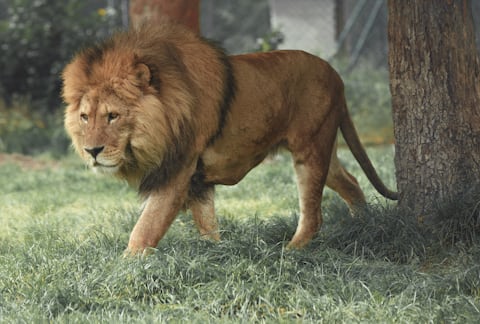
Overview: Mammals include species like lions, whales, and humans. They are warm-blooded, typically have hair or fur, and most give live birth and nurse young with milk.
Where they are found: Mammals occupy every continent and ocean; large terrestrial mammals dominate savannas and forests, while marine mammals inhabit coastal shelves and deep pelagic zones.
Evolution: Mammals evolved from synapsid ancestors, developing differentiated teeth, complex brains, and parental care; cetaceans (whales, dolphins) returned to the sea, adapting limbs into flippers and developing echolocation in some lineages.
- Precise fact: Whales can communicate over long distances with low-frequency calls, and some species migrate thousands of kilometers seasonally.
- Precise fact: Bats are the only mammals capable of powered flight, using echolocation to hunt in darkness.
Birds: flight, feathers, and migration
Overview: Birds are feathered vertebrates with beaks and high-metabolism flight adaptations; many species are master navigators.
Where they are found: Birds occur from polar regions to tropical rainforests and open oceans; seabirds forage over vast marine areas and nest on remote islands.
Evolution: Birds evolved from theropod dinosaurs, developing feathers first for insulation and display, later co-opted for flight; hollow bones and air sacs enable efficient respiration.
- Precise fact: Arctic terns migrate between the Arctic and Antarctic annually, covering tens of thousands of kilometers.
- Precise fact: Raptors like eagles have binocular vision and talons optimized for grasping prey.
Reptiles: scales and resilience
Overview: Reptiles include snakes, lizards, turtles, and crocodilians; they are ectothermic with keratinized scales and typically lay eggs with leathery shells.
Where they are found: Reptiles thrive in deserts, wetlands, forests, and marine environments; sea turtles traverse entire ocean basins.
Evolution: Reptiles diversified after early amniotes; some, like crocodilians, maintain ancient body plans with modern ecological success.
- Precise fact: Sea turtles imprint on natal beaches, returning to lay eggs decades after hatching.
- Precise fact: Pit vipers sense infrared radiation with specialized facial pits to locate warm-blooded prey.
Amphibians: dual life stages
Overview: Amphibians (frogs, salamanders, caecilians) often have aquatic larvae and terrestrial adults, with permeable skin that exchanges water and gases.
Where they are found: Amphibians concentrate in moist habitats—rainforests, wetlands, and riparian zones—sensitive to environmental changes.
Evolution: Amphibians represent early tetrapod transitions from water to land; many evolved skin toxins and complex calls for communication.
- Precise fact: The axolotl retains larval features into adulthood (neoteny), including external gills.
- Precise fact: Chytrid fungus has caused global declines in amphibian populations.
Fish: aquatic diversity
Overview: Fish range from tiny reef dwellers to giants like the whale shark; they breathe through gills and exhibit immense morphological diversity.
Where they are found: Fish inhabit freshwater rivers and lakes, brackish estuaries, coral reefs, and deep sea trenches.
Evolution: Major groups include jawless fish, cartilaginous fish (sharks, rays), and bony fish; evolutionary innovations include jaws, paired fins, and swim bladders.
- Precise fact: Salmon are anadromous, migrating from ocean to freshwater to spawn.
- Precise fact: Electric fish generate bioelectric fields to navigate and communicate.
Invertebrates: the majority of species
Overview: Invertebrates (insects, arachnids, mollusks, crustaceans, corals) constitute most animal species, driving pollination, nutrient cycling, and food webs.
Where they are found: Ubiquitous across land and sea—from rainforest canopies to abyssal plains—often forming foundation species in ecosystems.
Evolution: Insect flight and metamorphosis enabled radiation into diverse niches; corals build reef structures supporting massive biodiversity.
- Precise fact: Bees perform waggle dances to encode direction and distance to food sources.
- Precise fact: Cephalopods (octopuses, squids) have advanced nervous systems and dynamic camouflage using chromatophores.
Which different types of animals are endangered?
Direct answer: Endangerment spans multiple groups—mammals (e.g., orangutans, rhinos), birds (e.g., albatrosses), reptiles (e.g., hawksbill sea turtles), amphibians (e.g., axolotls, golden frogs), fish (e.g., sturgeons), and invertebrates (e.g., certain pollinators and reef-building corals)—primarily due to habitat loss, overexploitation, climate change, and pollution.
- Mammals: Sumatran orangutan (critically endangered), African elephant (populations threatened by poaching and habitat loss), black rhino (critically endangered).
- Birds: Albatrosses (bycatch in longline fisheries), California condor (conservation-dependent), hornbills (deforestation impacts).
- Reptiles: Hawksbill sea turtle (critically endangered), gharial (riverine habitat degradation), Philippine crocodile (critically endangered).
- Amphibians: Axolotl (critically endangered due to habitat change and invasive species), golden poison frog (habitat fragmentation).
- Fish: Sturgeons (overfishing and damming), sawfish (critically endangered), some shark species (overexploitation).
- Invertebrates: Coral species (bleaching from warming seas), monarch butterflies (habitat and pesticide stress), freshwater mussels (water quality decline).
Conservation insight: Protecting habitats, regulating trade, reducing bycatch, restoring wetlands, and lowering emissions are the most effective cross-group strategies to reduce extinction risk.
Precise data points and quick facts
- Global habitats: Biodiversity peaks in tropical rainforests and coral reefs, with high endemism and vulnerability to disturbance.
- Migrations: Many species perform seasonal long-distance migrations to access breeding grounds and food.
- Indicator species: Amphibians often serve as indicators of ecosystem health due to their permeable skin and dual life stages.
- Trophic roles: Apex predators regulate prey populations; pollinators underpin plant reproduction and food security.
- Threat drivers: Land conversion, illegal wildlife trade, climate shifts, invasive species, and pollution are top pressures.
Keyword clusters and on-page optimization
Target cluster: Focus on educational and conservation topics with mid-range CPC and steady demand. Integrate variants naturally in headings, alt text, and captions.
- Main: types of animals; animal species list; endangered animals; animal evolution; wildlife conservation
- Habitats: rainforest animals; marine animals; desert animals; savanna animals; polar animals
- Actions: protect endangered species; biodiversity conservation; animal migration; coral reef animals; ocean conservation
- Modifiers: facts about animals; animal habitats explained; animal adaptations; ecosystem biodiversity; conservation efforts
On-page tips: Use descriptive titles, scannable subheadings, internal anchors (e.g., “endangered”), accessible media (alt text, captions), and structured lists to improve CTR and engagement.
Thumbnails and videos


Featured videos
Call to action: Explore more on ecosystem biodiversity and how you can support wildlife conservation efforts in your region.
No hay comentarios.:
Publicar un comentario