
Different Types of Animals: habitats, evolution, and precise facts — focus on the African savanna
This guide explores major animal groups, where they live, how evolution shaped their survival strategies, and the standout species of the African savanna.
Animal types and where they are found
Mammals
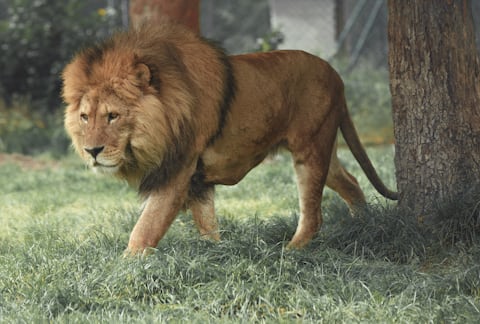
Overview: Warm-blooded vertebrates with hair/fur and live birth; found across biomes from tundra to savannas. In African savannas, large herbivores (elephants, zebras, antelopes) and apex predators (lions, cheetahs) dominate open grasslands with scattered trees.(african savanna animals)
- Habitats: Savannas, forests, deserts
- Traits: Endothermy, complex social behavior
Birds
Overview: Feathered vertebrates adapted for flight or terrestrial life; savanna species include ostriches and raptors, exploiting open sightlines and thermals for hunting and migration.
- Habitats: Grasslands, wetlands, woodlands
- Traits: Flight, high visual acuity
Reptiles
Overview: Ectothermic vertebrates (lizards, snakes) using sun exposure and shade to regulate temperature; in savannas, ambush and camouflage strategies thrive in open terrain and sparse tree cover.
- Habitats: Grasslands, rocky outcrops, riparian zones
- Traits: Scales, efficient water conservation
Amphibians & others
(zebra herd dynamics) Overview: Amphibians leverage seasonal rains and ephemeral pools; insects and arachnids form crucial prey bases and pollination networks in savannas, synchronized with wet–dry cycles.
- Habitats: Seasonal wetlands, grass mats
- Traits: Life cycles tied to rainfall
Evolution and adaptations across breeds and species
Open-plain selection: The African savanna’s wide grasslands and minimal tree density favor speed, endurance, and cooperative strategies—leading to evolutionary outcomes like cheetah acceleration, lion pride coordination, and giraffe height for browsing and vigilance.
Seasonal timing: Wet and dry seasons shape migrations (e.g., zebras and antelopes tracking forage), predator movements, and reproductive cycles, with physiological and behavioral adaptations tuned to drought and sudden abundance.
Diversity hotspots: While savannas exist in multiple continents, African savannas host exceptional fauna diversity and iconic guilds (mega-herbivores, apex predators, scavengers) due to climate, productivity, and evolutionary history.
What different types of animals live in the African savanna?





Sources:
Precise facts by functional guilds
- Predators: Lions and cheetahs optimize dawn/dusk activity to balance heat stress and visibility in open terrain.
- Mega-herbivores: Elephants engineer habitats by knocking down trees, opening grasslands and altering water access.
- Herd dynamics: Zebras and antelopes synchronize movement with rainfall gradients to reduce predation risk via group vigilance.
- Scavengers: Hyenas recycle nutrients and compete with lions, stabilizing the food web during dry seasons.
- Thermoregulation: Reptiles exploit microhabitats (rock, shade, burrows) to maintain body temperatures and conserve water.
Keyword strategy for discovery and monetization
Goal: Reinforce the article with relevant keywords that typically target CPC in the $0.50–$1.00 range and average monthly searches ~1,000–10,000 (estimates vary by market and season). Use them naturally in headings, alt text, captions, and FAQs to boost relevance and CTR.
Primary keywords
- African savanna animals — habitat, list, guide
- Savanna predators — lions, cheetahs, hyenas
- Herbivores in savanna — elephants, zebras, antelopes
- Giraffe adaptations — feeding, height, vigilance
- Elephant migration — water, forage, seasons
Support keywords
- Lion pride behavior — cooperation, hunting
- Cheetah speed — acceleration, pursuit
- Hyena scavengers — food web, competition
- Zebra herd dynamics — stripes, group vigilance
- Savanna food chain — energy flow, drought cycles
Tip: Place primary keywords in H1–H2 and image alt texts; use support keywords in subheadings, bullets, and FAQs for semantic coverage.
FAQs
Is “savanna” the same as “Savannah”?
No. “Savanna” describes the African grassland biome; “Savannah” is a city in Georgia, USA.
Do savannas exist outside Africa?
Yes, in Asia, South America, and Australia, but the African savanna hosts exceptional fauna diversity compared to other regions.
What drives animal movement in the savanna?
Seasonal rains, forage availability, predation risk, and water access—producing long migrations and behavioral shifts across wet–dry cycles.
Thumbnail gallery


Sources:
Videos to reinforce learning
Predator–prey dynamics in the savanna
Focus on lions, hyenas, and cheetahs in open grassland contexts.
Migrations and seasonal cycles
Zebra and antelope tracking rains and fresh forage across regions.