Exploring Different Types of Animals: From Jungle to Ocean
Overview: Where animals live and how they evolved
Animals have adapted to thrive across biomes—from dense tropical jungles and open savannas to polar ice and the deep ocean. Evolutionary pressures—predation, climate, food availability, and competition—shape traits like camouflage, echolocation, migration, and social behavior. This guide maps habitats, highlights evolutionary milestones, and provides precise breed-level insights to help you compare species across ecosystems.
Habitats: From jungle canopies to abyssal plains
Jungle
Key species: Jaguars, orangutans, poison dart frogs, hornbills.
Traits: Arboreal locomotion, stealth hunting, vibrant warning coloration, complex vocalization.
Evolution: Niche specialization in layered canopies; coevolution with flowering plants and insects.
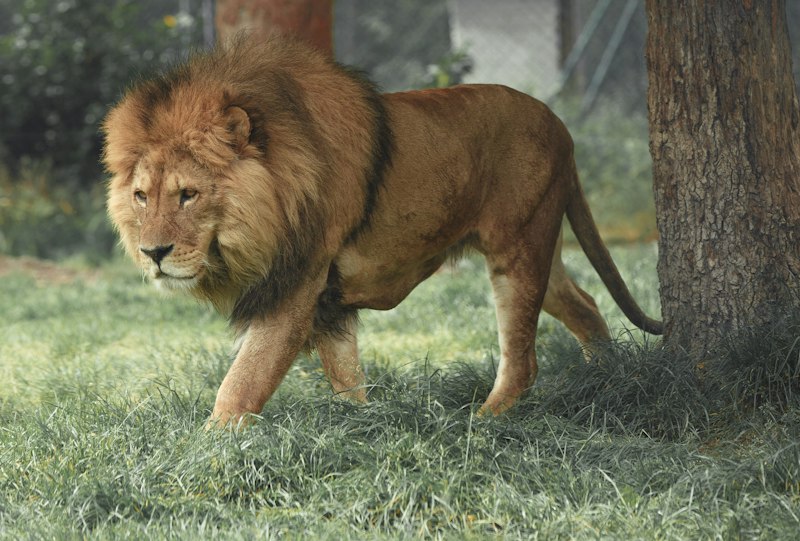
Savanna
Key species: Lions, elephants, cheetahs, zebras.
Traits: Cursorial speed, herd dynamics, tusk and trunk specialization, stripe-based confusion.
Evolution: Open-plain selection for speed, endurance, and cooperative hunting.

Ocean
Key species: Blue whales, dolphins, manta rays, reef fish.
Traits: Echolocation, filter feeding, countershading, symbiosis with coral.
Evolution: Convergent streamlining; sensory specialization for sound and pressure.

Polar
Key species: Polar bears, arctic foxes, penguins, seals.
Traits: Insulating blubber, seasonal coat changes, energy-efficient locomotion.
Evolution: Cold-adaptation via thermoregulation and fat storage strategies.
Precise breed and lineage data
Big cats: Panthera lineage includes Panthera onca (jaguar), P. leo (lion), P. tigris (tiger)—diverged through habitat-driven selection and prey specialization.
Canids: Gray wolf (Canis lupus) gave rise to domestic dog breeds via artificial selection; arctic fox (Vulpes lagopus) shows extreme cold adaptation.
Cetaceans: Baleen whales (Mysticeti) evolved filter plates for krill; toothed whales (Odontoceti) developed echolocation for hunting in low-visibility waters.
Primates: Great apes exhibit advanced cognition and tool use; New World monkeys evolved prehensile tails for canopy mobility.
Evolutionary milestones
- Camouflage & signaling: Coloration patterns (stripes, spots, aposematism) reduce predation or warn toxicity.
- Sensory innovation: Echolocation in dolphins and bats; magnetoreception in migratory species.
- Locomotion efficiency: Streamlined bodies in marine life; spring-loaded tendons in fast runners.
- Social complexity: Cooperative hunting, matriarchal herds, and vocal dialects in cetaceans.
- Thermoregulation: Blubber, countercurrent heat exchange, and seasonal molting in polar fauna.
Thumbnails and featured video
SEO reinforcement: target keywords
On-page optimization: Use the primary phrase “Exploring Different Types of Animals: From Jungle to Ocean” in the H1, first 100 words, one H2, and image alt text. Include 2–3 semantic variants per section.
Internal linking: Link related posts on habitats, evolution, and conservation to improve topical authority and session duration.
Snippet strategy: Add concise definitions (e.g., “What is echolocation?”) and bulleted traits to capture featured snippets.
Join the community
Final reinforcement
This guide connects habitats, evolutionary traits, and breed-level precision to give you a panoramic view of animal diversity—from jungle canopies to ocean depths. Keep exploring with our thumbnails and featured video, and use the keyword set to reach audiences searching for clear, engaging nature education. Save this article, revisit sections, and share it widely to strengthen the conversation around biodiversity and conservation.