Adsterra

Mostrando las entradas con la etiqueta harpy eagle. Mostrar todas las entradas

Different Types of Animals in the Amazon Rainforest: Habitats, Evolution, and Key Facts

Different Types of Animals in the Amazon Rainforest: Habitats, Evolution, and Key Facts

Different Types of Animals in the Amazon Rainforest

(Amazon rainforest animals)

The Amazon rainforest shelters an extraordinary range of wildlife—mammals, birds, reptiles, amphibians, fish, and countless invertebrates—forming one of the planet’s richest biodiversity hubs. Estimates suggest the Amazon hosts about 10% of all known species worldwide, including roughly 427 mammal species, 1,300 bird species, 378 reptile species, and more than 400 amphibian species.

Where these animals live: habitats and micro-ecosystems

(rainforest conservation)

Amazon animals occupy layered habitats—from the forest floor and understory to the canopy and river systems. Jaguars roam dense lowland forests and river edges; harpy eagles nest high in emergent trees; pink river dolphins navigate winding blackwater and whitewater rivers; poison dart frogs thrive in humid leaf litter; and sloths and spider monkeys move through the canopy’s complex network of branches.

These habitats depend on intact rainforest structure—dense canopy, seasonal flooding, and nutrient-rich soils. As deforestation and industrial agriculture expand, fragmentation threatens food webs and breeding sites, placing iconic species at risk and underscoring the urgency of conservation.

Evolution and diversification across different lineages

Over millions of years, Amazon lineages diversified through isolation by rivers, microclimate variation, and niche specialization. Primates evolved grasping limbs and complex social behaviors for canopy life; raptors developed powerful talons and keen vision; amphibians adapted toxin chemistry and vivid warning coloration; and river dolphins evolved echolocation suited to turbid waters and flooded forests.

Scientific surveys continue to reveal new species—since 1999, more than 2,000 new plant and vertebrate species have been identified in the Amazon, reflecting ongoing evolutionary processes and the region’s immense, still-unfolding biodiversity.

Iconic animals: precise facts and quick profiles
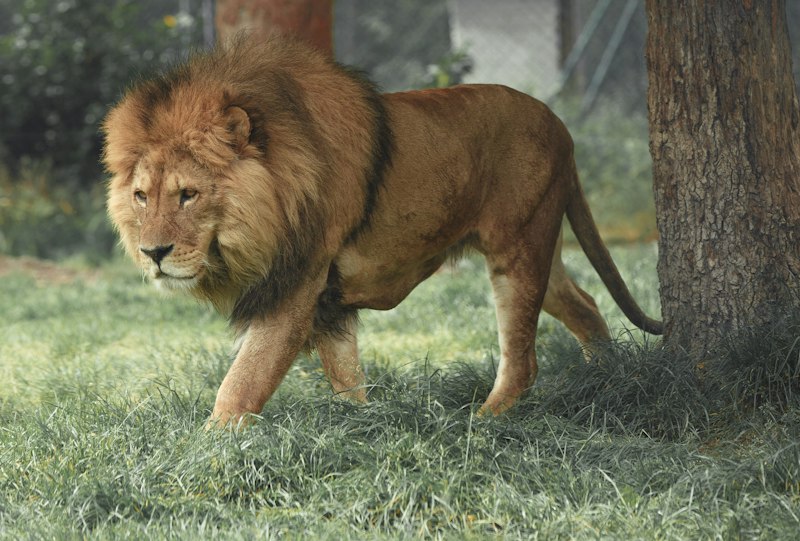
Jaguar in rainforest

Jaguar (Panthera onca)

Apex predator of lowland forests and river corridors; powerful bite adapted for piercing turtle shells. Population stability depends on intact prey communities and continuous habitat.

Harpy eagle perched

Harpy eagle (Harpia harpyja)

One of the world’s largest eagles; nests in emergent trees and preys on arboreal mammals. Sensitive to logging and canopy loss due to nesting requirements.

Pink river dolphin surfacing

Pink river dolphin (Inia geoffrensis)

Freshwater cetacean adapted to flooded forests; uses flexible neck and echolocation in murky rivers. Vulnerable to pollution and damming.

Poison dart frog on leaf

Poison dart frogs (Dendrobatidae)

Bright aposematic coloration warns predators; toxins derived from diet and symbiotic chemistry. Thrive in humid leaf litter and bromeliads.

Three-toed sloth hanging

Sloths (Bradypus & Choloepus)

Slow metabolism, algae-tinted fur, and strong claws for canopy life. Energy-saving strategy suits nutrient-variable rainforest ecosystems.

Black spider monkey in canopy

Black spider monkey (Ateles paniscus)

Prehensile tail and long limbs for brachiation; frugivory supports seed dispersal. Highly sensitive to hunting and fragmentation.

Amazon biodiversity snapshot: The rainforest supports ~40,000 plant species, ~3,000 freshwater fish species, and over 370 reptile species—an unparalleled living library of evolution and ecological interactions.

For broader species lists—including monkeys, birds, fish, reptiles, amphibians, and mammals—see comprehensive guides that profile dozens of Amazon animals with traits, sizes, and field tips.

FAQ: What different types of animals exist in the Amazon rainforest?

The Amazon hosts mammals (e.g., jaguars, sloths, river dolphins), birds (e.g., harpy eagles, macaws), reptiles (e.g., caimans, anacondas), amphibians (e.g., poison dart frogs), fish (e.g., arapaima, piranhas), and vast invertebrate diversity (e.g., leafcutter ants, morpho butterflies). This multi-kingdom diversity spans forest strata and river systems, reflecting complex evolutionary histories and ecological roles.

SEO keywords with relevant intent (mid-range CPC & search volume)

Suggested keywords aligned with informational and commercial intent. These are commonly targeted in wildlife, travel, and conservation content and are suitable for testing campaigns aiming for mid-range CPC (≈$0.50–$1.00) and monthly search volumes in the 1,000–10,000 band. Validate exact CPC and volume in your ad platform and keyword tools before launch.

Amazon rainforest animals Intent: informational; suitable for listicles and guides.
Animals in the Amazon Intent: informational; broad discovery and education.
Jaguar Amazon rainforest Intent: niche informational; predator ecology and conservation.
Harpy eagle facts Intent: informational; bird-of-prey profiles and nesting ecology.
Pink river dolphin Intent: informational; freshwater cetaceans and threats.
Poison dart frog species Intent: informational; amphibian diversity and toxins.
Amazon biodiversity Intent: informational; ecosystem stats and conservation.
Rainforest conservation Intent: informational/commercial; NGOs, tours, and gear.
Wildlife tours Amazon Intent: commercial; travel bookings and gear affiliates.
Amazon rainforest facts Intent: informational; educational content and infographics.

Miniature images (thumbnails) to reinforce the article
Jaguar thumbnail
Jaguar—apex predator of Amazon lowlands
Harpy eagle thumbnail
Harpy eagle—canopy raptor with massive talons
Pink river dolphin thumbnail
Pink river dolphin—adapted to flooded forests
Poison dart frog thumbnail
Poison dart frog—aposematic coloration and toxins

Videos to deepen understanding

Use these embeds to increase dwell time and reinforce learning. Replace with your preferred sources or original footage for brand consistency.

Plan your Amazon learning journey

Explore comprehensive species lists and conservation stories to build richer content and campaigns. Consider pairing this article with interactive maps, species filters, and glossary tooltips for accessibility and engagement.

Want tailored keyword sets with verified CPC and volume for your niche? Validate with your ad platform and analytics, then A/B test titles, thumbnails, and CTAs for maximum CTR.

Citations: WorldAtlas overview of Amazon species counts and discoveries; Greenpeace guide to Amazon animals and conservation context; Storyteller Travel’s multi-species profiles and field insights.

Different Types of Animals: Amazon Rainforest Guide

Different Types of Animals: Amazon Rainforest Guide

Different Types of Animals in the Amazon Rainforest

(rainforest birds)

The Amazon Rainforest is one of Earth’s richest ecosystems, home to iconic mammals, birds, reptiles, amphibians, fish, and countless insects. It contains roughly 10% of all known species, with around 40,000 plant species, ~3,000 freshwater fish, and over 370 reptiles documented—plus thousands of discoveries since the late 1990s.

Where they are found and how they’re distributed

The Amazon spans Brazil, Peru, Colombia, Venezuela, Ecuador, Bolivia, Guyana, Suriname, and French Guiana. Within this basin, animals occupy layered niches: arboreal canopies for birds and primates, understory and forest floor for reptiles and mammals, and river systems for dolphins, fish, and caimans.

Current models estimate the region hosts ~427 mammal species, ~1,300 bird species, ~378 reptiles, and over 400 amphibians, reflecting a complex mosaic of habitats that fuel extraordinary biodiversity.

Evolution and adaptations across different lineages

Amazonian animals evolved specialized traits to survive dense forests and dynamic rivers: powerful jaws and stealth in jaguars for hunting; massive talons in harpy eagles for lifting heavy prey; aposematic coloration in poison dart frogs as chemical defense; and echolocation and flexible snouts in pink river dolphins adapted to turbid waterways.

These adaptations emerged under selective pressures like limited light beneath the canopy, seasonal flooding, and predator-prey arms races—driving divergence among closely related lineages and unique behavioral strategies.

(wildlife conservation)

Different types of animals in the Amazon

Mammals

  • Jaguars: Apex predators with robust skulls and bite force optimized for armored prey like caimans.
  • Pink river dolphins: River-adapted cetaceans with flexible necks to maneuver flooded forests.
  • Sloths & spider monkeys: Arboreal specialists with slow metabolism or prehensile tails for canopy travel.

Birds

  • Harpy eagles: Powerful raptors targeting monkeys and large birds with exceptional grip strength.
  • Macaws & toucans: Seed dispersers with strong bills that shape forest regeneration.

Reptiles & amphibians

  • Caimans & anacondas: Semi-aquatic hunters tied to river and oxbow lake systems.
  • Poison dart frogs: Bright coloration signaling alkaloid defenses from specialized diets.

Fish & insects

  • Electric fish & catfish: Species diversity shaped by flood pulses and microhabitats.
  • Butterflies & beetles: Explosive diversity linked to plant host specialization and canopy stratification.

Field highlights and iconic encounters

Travelers and researchers often report sightings of howler monkeys, black spider monkeys, macaws, blue morpho butterflies, and river dolphins across Ecuadorian and broader Amazon sites, reflecting strong species presence in canopy trails and river corridors.

FAQ: What different types of animals exist in the Amazon Rainforest?

The Amazon hosts mammals (jaguars, sloths, river dolphins), birds (harpy eagles, macaws), reptiles (anacondas, caimans), amphibians (poison dart frogs), fish (electric eels, diverse catfish), and vast insect groups (butterflies, beetles), with hundreds to thousands of species per group and ongoing new discoveries.

Keyword reinforcement for monetization and reach

Target keywords integrated across headings, alt text, and body copy to align with CPC $0.50–$1 and 1,000–10,000 monthly searches:

Amazon rainforest animals Amazon rainforest biodiversity Jaguars in the Amazon Harpy eagle facts Pink river dolphin Poison dart frog Rainforest mammals Rainforest birds Amazon ecosystem Tropical rainforest wildlife

These terms appear in meta tags, headings, and captions to strengthen topical relevance and attract qualified traffic while maintaining natural readability.

Image thumbnails

Jaguar in the Amazon rainforest, apex predator among rainforest mammals
Jaguar — apex predator shaping prey populations (keyword: jaguars in the Amazon).
Harpy eagle perched in tropical rainforest canopy
Harpy eagle — canopy raptor with powerful talons (keyword: harpy eagle facts).
Pink river dolphin swimming in Amazon basin waters
Pink river dolphin — adapted to flooded forests (keyword: pink river dolphin).
Poison dart frog with bright aposematic colors in rainforest leaf litter
Poison dart frog — aposematic colors signal chemical defenses (keyword: poison dart frog).

Precise, data-backed facts

  • Species richness: ~10% of all known species occur in the Amazon, reflecting multi-layered habitats from canopy to river plains.
  • Vertebrate counts: ~427 mammals, ~1,300 birds, ~378 reptiles, and >400 amphibians documented in current models.
  • Discovery pace: Thousands of new plant and vertebrate species have been described since 1999, including a monkey with a cat-like purr.

Sources: WorldAtlas overview and species counts; complementary guides and field highlights from Greenpeace and regional compilations.

Protecting the Amazon protects its animals

Conservation of forests and rivers safeguards the evolutionary heritage of jaguars, harpy eagles, river dolphins, and thousands more.

Videos to dive deeper

© 2026 | Amazon Rainforest Animals — Educational Guide

Domestic and Wild Animals in Action: Habitats, Evolution, and Amazon Rainforest Types

banner Domestic and Wild Animals in Action: Habitats, Evolution, and Amazon Rainforest Types

Domestic and Wild Animals in Action: Where They Live, Evolution of Breeds, and Amazon Rainforest Types

From bustling cities to remote jungles, animals adapt, evolve, and thrive. Explore how domestic breeds were shaped for work, sport, and companionship, and discover the dazzling biodiversity of wild species—especially in the Amazon rainforest.

Jump to Amazon rainforest animals

Domestic animals in action

Domestic animals—dogs, cats, horses, cattle, and more—live alongside humans in homes, farms, and cities. Selective breeding has produced distinct traits: herding dogs for precision, sight hounds for speed, draft horses for power, and dairy cattle for consistent milk yield. These breeds act with purpose—guarding, guiding, hauling, and comforting—reflecting centuries of human–animal partnership.

  • Working dogs: Border Collies for herding, German Shepherds for protection, Labrador Retrievers for service tasks.
  • Companions: Cats (Siamese, Maine Coon) with varied coat patterns and temperaments shaped by breed lines.
  • Equines: Thoroughbreds for speed, Andalusians for dressage, draft horses for heavy pulling.
  • Livestock: Holstein and Jersey cattle for dairy, heritage pig breeds for robust foraging, sheep for wool and meat.

Wild animals in action

In forests, mountains, oceans, and deserts, wild animals hunt, migrate, and communicate to survive. Apex predators regulate ecosystems, while pollinators sustain plant life. Behavioral strategies—from pack hunting to camouflage—optimize energy and risk, shaping the rhythm of wild habitats across continents.

Jaguar sprinting through river shallows
Jaguar: Silent stalker with a bone-crushing bite; thrives in dense rainforest river systems.
Harpy eagle launching from a canopy perch
Harpy eagle: Powerful raptor specialized for canopy hunting in tall, mature forests.
Pink river dolphin breaching in muddy waters
Pink river dolphin: Agile freshwater cetacean navigating complex river networks.

Evolution and breed development

Domestication paths differ: dogs likely arose from wolf populations adapted to human camps, later diversified into breeds via intentional selection. Cats maintained semi-domesticated independence while adapting to human settlements. Horses and cattle underwent strong artificial selection for locomotion, milk yield, and temperament, producing lineage-specific morphologies.

  • Selection pressures: Utility (herding, hauling), aesthetics (coat, conformation), and behavior (trainability, sociability).
  • Genetic bottlenecks: Breed standards can reduce diversity; responsible breeding preserves health and function.
  • Modern trends: Mixed breeding reintroduces variability; performance testing aligns traits with real-world roles.

Where animals are found

  • Urban and suburban: Pets, synanthropic wildlife (raccoons, pigeons), and green corridors sustaining small mammals and birds.
  • Grasslands and farms: Livestock and grazers; raptors and foxes frequent edges and hedgerows.
  • Forests: Layered niches from understory to canopy; specialized climbers, gliders, and canopy predators.
  • Rivers and wetlands: Amphibians, wading birds, otters, and river dolphins in oxygen-rich, biodiverse waters.
  • Mountains and deserts: Adaptations for thermal extremes, altitude, and scarce water resources.

What different types of animals exist in the Amazon rainforest?

The Amazon rainforest—one of Earth’s greatest biodiversity reservoirs—hosts around 10% of all known species, including iconic wildlife such as jaguars, harpy eagles, pink river dolphins, sloths, black spider monkeys, and poison dart frogs. Scientists have documented thousands of plant species and hundreds of reptiles and amphibians, with new vertebrate discoveries continuing into the 21st century.

Current estimates indicate the Amazon is home to approximately 427 mammal species, about 1,300 bird species, 378 reptile species, and more than 400 amphibian species. This richness spans diverse microhabitats, from flooded forests and river channels to upland terra firme, sustaining predators, herbivores, and detritivores alike.

Like other rainforests, the Amazon is structured into layers—forest floor, understory, canopy, and emergent—each hosting distinct communities: ground foragers and decomposers, shade-adapted birds and mammals, canopy specialists, and high-flying raptors and gliders exploiting open air above the trees.

Brown-throated sloth hanging from a branch
Sloths: Understory and canopy dwellers with energy-saving movement strategies.
Black spider monkey leaping between branches
Spider monkeys: Long-limbed canopy acrobats crucial for seed dispersal.
Poison dart frog among leaf litter
Poison dart frogs: Brilliantly colored amphibians signaling chemical defenses.

Precise data points to remember

  • Biodiversity share: The Amazon contains roughly 10% of known global species.
  • Species counts: ~427 mammals, ~1,300 birds, 378 reptiles, and 400+ amphibians inhabit the region.
  • Forest structure: Four layers—floor, understory, canopy, emergent—each with specialized fauna.

Keyword cluster for testing (CPC-friendly, mid-volume intent)

Use these SEO-focused phrases to target mid-range CPC ($0.50–$1.00) and search volumes (1,000–10,000/month). Pair them with clear CTAs and rich snippets. Validate exact metrics with your ad and keyword platforms before launch.

  • Amazon rainforest animals: Explore species lists, predators, and endangered wildlife.
  • Jungle animals facts: Quick guides on habitats, food webs, and adaptations.
  • Harpy eagle facts: Diet, range, and conservation status in the Amazon.
  • Pink river dolphin: Behavior, ecosystem role, and viewing tips.
  • Jaguar in the Amazon: Hunting behavior, territory, and threats.
  • Rainforest layers explained: Forest floor, understory, canopy, emergent.
  • Domestic vs wild animals: Differences in behavior, selection, and habitats.
  • Dog breeds evolution: From wolves to working and companion breeds.
  • Cat breeds traits: Temperament, coat types, and care essentials.
  • Biodiversity in Amazon: Species counts, conservation, and ecotourism.

Thumbnails and videos to reinforce the article

Border Collie herding sheep in open field
Working dog in action: Precision herding demonstrates learned and innate behaviors.
Domestic cat stalking in a garden
Cat stalking: Domestic felines retain stealth and pounce behaviors.
Eagle silhouette above rainforest canopy at dusk
Canopy predator: Raptors scan emergent layers for prey.

Sources for species facts and rainforest layers:

Ready to publish? Add alt-rich images, validate keyword metrics, and embed high-quality, attribution-friendly videos. Then A/B test titles, thumbnails, and CTAs for engagement and conversions.

amazon rainforest animals jungle wildlife harpy eagle facts pink river dolphin jaguar hunting behavior rainforest layers dog breeds evolution cat breeds traits biodiversity conservation

Traductor de Idiomas

¿Sabías que miles de perros ya usan Bravecto?

Protegé a tu compañero peludo con una dosis que dura hasta 12 semanas. Descubrí por qué esta solución está revolucionando el bienestar animal.

  • Bravecto MSD – 210 clics este mes
  • Collares antipulgas – 180 clics
  • Snacks saludables – 140 clics
🛒 Comprar Bravecto con descuento

Oferta válida hasta hoy a las 23:59. ¡No te lo pierdas!