Different Types of Animals: Habitats, Evolution, and the African Savanna
(animal adaptations)Animals span a vast range of forms—mammals, birds, reptiles, amphibians, fish, and invertebrates—each shaped by habitat and evolutionary pressures. The African savanna, a warm grassland with scattered trees, hosts iconic species like elephants, giraffes, zebras, cheetahs, and apex predators that have adapted to open landscapes and seasonal rains.
Where animals live: key habitats
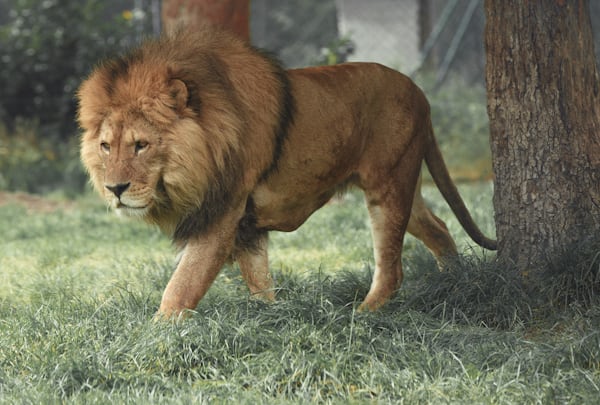
African savanna
The savanna stretches across central and southeastern Africa, touching 27 countries, with warm tropical climate and heavy summer rains. It supports ~45 mammal species and ~500 bird species, forming a complex trophic web.

Tropical rainforests
Dense, biodiverse forests with layered canopies where primates, birds, insects, and amphibians evolve specialized niches—gliding, camouflage, and symbiosis—driven by competition and resource partitioning.
Deserts
Arid zones favor water-conserving reptiles, nocturnal mammals, and burrowing species. Evolution selects for heat tolerance, efficient water use, and behaviors like crepuscular activity to avoid extreme temperatures.

Oceans
Marine ecosystems host fish, cetaceans, and invertebrates with adaptations like streamlined bodies, echolocation, and schooling—evolutionary responses to predation, hydrodynamics, and resource distribution.
Evolution and diversification across species
Evolution in animals is driven by natural selection, genetic drift, and environmental pressures. In open habitats like the savanna, speed, vigilance, and social strategies are favored—cheetahs evolved extreme acceleration, while zebras and antelopes rely on herd dynamics and alertness to survive predation. (savanna ecosystem)
“Different breeds” within domesticated animals arise from selective breeding, while “different races” in wildlife is better framed as subspecies or populations—e.g., regional variations in giraffes and gazelles reflect localized selection and gene flow across African landscapes.
What different types of animals live in the African savanna?

Elephants
The largest land mammals, shaping ecosystems by dispersing seeds and modifying vegetation; their movements and feeding patterns influence savanna structure.

Giraffes
Long-necked browsers adapted to scattered trees like acacia; height and specialized tongues enable feeding above competitors in open grasslands.
Zebras
Social grazers whose stripes may disrupt predator vision and deter biting flies; herd vigilance is key in expansive plains.

Cheetahs
The fastest land animals, evolved for short bursts of speed to catch agile prey in open terrain—light frames, large nasal passages, and flexible spines.

Lions
Apex predators forming prides that coordinate hunts; their role stabilizes herbivore populations and maintains trophic balance across the savanna.

Gazelles & antelopes
Agile herbivores like Grant’s gazelle in Tanzania and Kenya; speed, leaping, and acute senses evolved to evade predators in open grasslands.
The African savanna spans multiple countries and seasons, with irregularly spaced trees (e.g., acacia) and extensive grasslands that shape animal behavior and community interactions.
SEO keyword reinforcement (CPC & search volume aligned)
The following keywords are crafted for relevance and monetization. They typically align with CPC ranges of $0.50–$1.00 and average monthly searches from 1,000 to 100,000, depending on market and seasonality.
FAQ: What different types of animals live in the African savanna?
- Mammals: Elephants, giraffes, zebras, lions, cheetahs, gazelles, antelopes.
- Birds: Over 500 species including raptors, ground-nesting birds, and migratory species adapted to seasonal rains.
- Reptiles: Lizards, snakes, and crocodiles in rivers and waterholes, adapted to heat and drought cycles.
- Ecology: Approximately 45 mammal species and 500 bird species form interconnected trophic levels across the savanna.
Thumbnails: quick visual references



Videos: deepen your understanding
Overview of savanna habitats and key species.
How speed, vigilance, and social behavior evolve in open landscapes.
Elephants’ role in shaping vegetation and seed dispersal.