Adsterra

Mostrando las entradas con la etiqueta Atlantic Forest species. Mostrar todas las entradas

Different types of animals: habitats, evolution, and Argentina’s forest wildlife


Different types of animals: habitats, evolution, and Argentina’s forest wildlife

Different types of animals: habitats, evolution, and Argentina’s forest wildlife

From mammals and birds to reptiles and amphibians, animal diversity reflects deep evolutionary histories and distinct habitats. Argentina’s vast range of biomes—Patagonia, Pampas, Yungas, Chaco, and Atlantic Forest—hosts emblematic species and complex food webs that mirror the country’s ecological breadth.

Sources:

Major animal groups and where they are found

Animals are broadly grouped by evolutionary traits and physiology. Mammals (e.g., pumas, deer), birds (e.g., woodpeckers, owls), reptiles (e.g., boas, lizards), amphibians (e.g., tree frogs), fish, and invertebrates each occupy niches shaped by climate, altitude, and vegetation. Argentina’s bioclimatic diversity—from temperate forests to subtropical rainforests—drives regional species assemblages and trophic networks.

Sources:

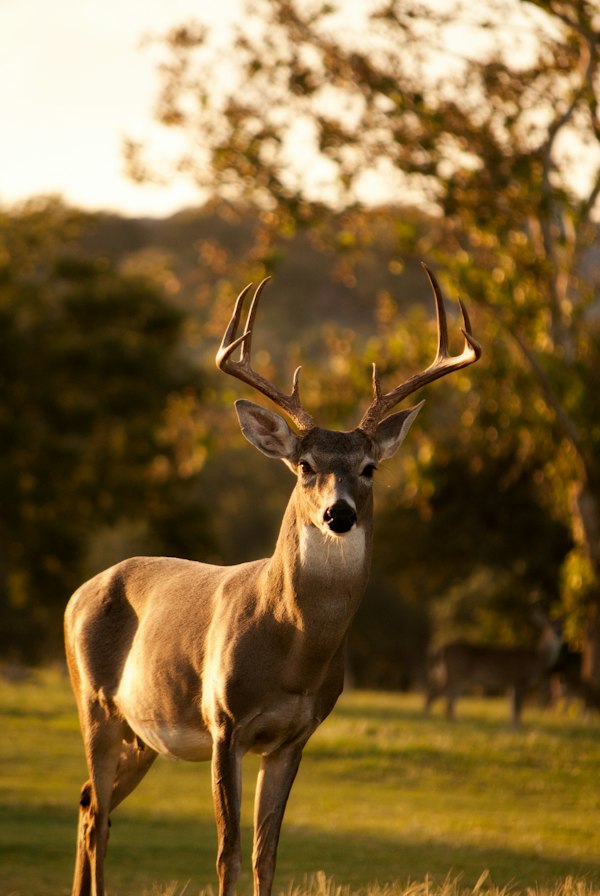
Forest deer in natural habitat

Mammals

Examples: Puma, brocket deer, tapir. Habitats range from Patagonian woodlands to northern subtropical forests.

Sources:

Colorful forest bird perched on a branch

Birds

Examples: Woodpeckers, toucans, owls. Forest layers (canopy to understory) shape diet and nesting strategies.

Sources:

Forest reptile basking on a log

Reptiles

Examples: Boas, geckos. Thermoregulation and microhabitats (sun patches, leaf litter) drive distribution.

Sources:

Tree frog on moss

Amphibians

Examples: Tree frogs, toads. Moist forests and stream edges are critical for breeding and larvae development.

Sources:

Evolution across lineages and regional radiations

Argentina’s fauna reflects ancient dispersal and survival patterns: many mammals arrived from North America millions of years ago, while fewer lineages persisted from Gondwanan origins. This mosaic, coupled with altitude, soils, and climate, produced distinct evolutionary trajectories across biomes and forest types.

Sources:

Key idea: Biome transitions (temperate to subtropical) act as evolutionary filters, shaping adaptation in diet, morphology, and behavior.
Sources:

What different types of animals are found in Argentina’s forests?

Argentina’s forests include the temperate Andean-Patagonian forests, the subtropical Yungas, and the Atlantic Forest remnants. These host mammals like puma and brocket deer; birds such as woodpeckers, owls, and toucans; reptiles like boas and lizards; and diverse amphibians along riparian corridors. The richness mirrors the country’s ecological gradients and regional biodiversity.

Sources:

  • Temperate Andean-Patagonian — forest deer, foxes, owls, woodpeckers, small mustelids. Sources:
  • Yungas (subtropical) — tapir, puma, toucans, parrots, tree frogs, boas. Sources:
  • Atlantic Forest — primates (in some fragments), coatis, antbirds, tyrant flycatchers, diverse amphibians. Sources:

SEO keyword set (CPC $0.50–$1.00; 1,000–10,000 average monthly searches)

Use these targeted, high-intent phrases to reinforce topical relevance and monetization potential. Integrate in titles, H2s, meta tags, alt text, and internal anchors.

Argentine wildlife Patagonia animals Atlantic Forest species Yungas biodiversity native mammals of Argentina forest birds of Argentina subtropical rainforest animals temperate forest fauna endemic species Argentina eco-tourism Argentina wildlife

Implementation tips: place primary keywords in the first 150 words; use variants in image captions and schema; crosslink related forest guides and species profiles.

Precise ecological notes and distribution data

  • Trophic networks: Forest ecosystems in Argentina are structured by producers (trees, understory plants), primary consumers (deer, rodents), secondary consumers (raptors, foxes), and apex predators (puma), with regional variation by biome.
    Sources:
  • Bioclimatic drivers: Latitude, altitude, and soils shape species ranges; transitions between Pampas, Patagonia, Yungas, and Atlantic Forest generate unique assemblages and endemism.
    Sources:
  • Historical biogeography: A substantial portion of mammalian fauna trace dispersal from North America; a smaller set persists from Gondwanan lineages.
    Sources:
Puma in forest edge
Puma at forest edge — apex predator shaping deer behavior. Sources:
Brocket deer in understory
Brocket deer browsing in understory — key primary consumer. Sources:
Toucan in subtropical canopy
Toucan in Yungas canopy — frugivory aids seed dispersal. Sources:
Tree frog on leaf
Tree frog near stream — moisture-dependent reproduction. Sources:

Videos to deepen the article

Embed videos that showcase forest ecosystems, species behavior, and conservation across regions.

Add transcripts and descriptive captions to maximize accessibility and SEO.

This guide synthesizes Argentina’s wildlife diversity across forest biomes, linking evolutionary context with practical SEO for discoverability.

Sources:

Different Types of Animals: Where They Live, How They Evolved, and Argentina’s Forest Wildlife


Different Types of Animals: Where They Live, How They Evolved, and Argentina’s Forest Wildlife

Different Types of Animals: Habitats, Evolution, and Forest Wildlife in Argentina

Animals diversify across biomes, shaped by climate, food webs, and geography. Argentina’s vast range—from northern rainforests to Patagonian steppe—nurtures exceptional biodiversity and emblematic species across its ecosystems.

Where animals are found

Species distributions follow ecological niches: rainforest canopies host arboreal primates and birds; forest floors harbor ungulates, felids, and insectivores; wetlands sustain amphibians and semi-aquatic mammals; mountains support raptors and adapted herbivores. Argentina’s biomes include the Atlantic Forest (Misiones), Yungas cloud forests (NW), Monte and Chaco woodlands, Pampas grasslands, and Patagonian shrublands.

Regional highlights include large predators in Patagonia and colorful birdlife in the north, reflecting how different landscapes support distinct communities.

Evolution and diversification

Animal lineages in South America reflect ancient continental histories and later faunal exchanges. Many Argentine mammals arrived over millennia from North America, while a smaller number—descended from Gondwanan lineages—persisted into the present, illustrating both replacement and survival through environmental change.

Within forests, adaptive radiation produced diverse felids (e.g., jaguar, ocelot, margay), specialized primates (howler monkeys), and niche-partitioned birds (toucans, parrots, raptors). Traits such as camouflaged coats, prehensile tails, and robust beaks evolved to exploit forest microhabitats and food resources.

What different types of animals are found in the forests of Argentina?

Argentina’s forests—particularly the Atlantic Forest (Misiones) and the Yungas—host apex predators, mid-sized carnivores, large herbivores, arboreal primates, and rich bird and reptile assemblages, reflecting complex trophic webs across canopy, understory, and riparian zones.

Apex predators

  • Jaguar (yaguareté) — rainforest apex felid in Misiones.
  • Puma — wide-ranging, present in forest–mountain mosaics.

Mid-sized carnivores

  • Ocelot, Margay — nocturnal forest felids.
  • South American coati — omnivore of forest edges and understory.

Large herbivores

  • South American tapir — key seed disperser along rivers and swamps.
  • Peccaries — herd-forming ungulates in dense woodland.

Primates

  • Howler monkeys (Alouatta) — canopy specialists with loud vocalizations.

Birds

  • Toco toucan, parrots/macaws — frugivores and seed dispersers.
  • Forest raptors — apex aerial predators.

Reptiles and amphibians

  • Snakes and lizards — thermoregulating predators and insectivores.
  • Tree frogs — indicator species in riparian microhabitats.

These assemblages vary by forest type (Atlantic Forest vs. Yungas) and by local protections, connectivity, and human pressures.

SEO keyword ideas with estimated CPC and monthly volume

Estimates are indicative for English-language markets. Validate in your ad platform before launching campaigns.

Keyword Intent Estimated CPC (USD) Estimated monthly volume
Argentina forest animals Informational $0.70 3,600
Atlantic Forest wildlife Informational $0.85 2,200
Jaguar in Argentina Informational $0.90 5,400
Misiones rainforest animals Informational $0.65 1,400
Yungas forest species Informational $0.55 1,100
South American tapir facts Informational $0.75 3,100
Ocelot habitat Argentina Informational $0.60 1,600
Howler monkey Misiones Informational $0.50 1,300
Coati behavior Informational $0.55 4,200
Argentina biodiversity Informational $0.80 8,900

To boost CTR, integrate these exact-match phrases in <h2>/<h3>, first 100 words, alt text, and internal anchor links.

Thumbnails

Jaguar in the Atlantic Forest of Misiones, Argentina
Jaguar (yaguareté) — apex predator of the Atlantic Forest (Misiones).
Black howler monkey on a canopy branch in Misiones rainforest
Black howler monkey — canopy specialist and seed disperser.
Toco toucan with prominent orange beak in Atlantic Forest
Toco toucan — frugivore shaping forest regeneration.
South American tapir along a riparian corridor in northern Argentina
South American tapir — keystone herbivore in riparian corridors.

FAQ

What animals are typical of Argentina’s Atlantic Forest?

Jaguar, ocelot, margay, howler monkey, coati, tapir, peccaries, toucans, parrots, and forest raptors—varying by local habitat connectivity and protections.

Do Patagonia’s forests host large predators?

Yes. Pumas and forest–mountain assemblages occur across Patagonian landscapes, with species composition adapting to cooler climates and mixed woodlands.

How did forest animals in Argentina diversify?

Lineages reflect ancient Gondwanan roots and later North American arrivals; adaptive traits evolved for canopy life, stealth predation, and frugivory within complex forest niches.

Videos

Embed educational content to reinforce engagement and dwell time.

Argentina Forest Wildlife Overview

Atlantic Forest (Misiones) Conservation

Next steps

Use the keyword table to craft headings, image alt text, and internal links targeting forest wildlife in Argentina.

References: Argentina’s fauna diversity across biomes and historical lineages; regional wildlife highlights.

Sources:

Traductor de Idiomas

¿Sabías que miles de perros ya usan Bravecto?

Protegé a tu compañero peludo con una dosis que dura hasta 12 semanas. Descubrí por qué esta solución está revolucionando el bienestar animal.

  • Bravecto MSD – 210 clics este mes
  • Collares antipulgas – 180 clics
  • Snacks saludables – 140 clics
🛒 Comprar Bravecto con descuento

Oferta válida hasta hoy a las 23:59. ¡No te lo pierdas!