
Domestic and Wild Animals in Action: Where They Live, How They Evolved, and Which Animals Exist in Antarctica
Domestic animals in action
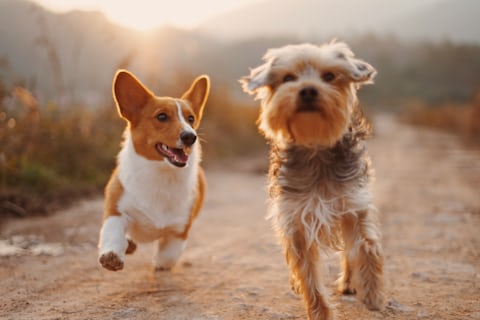
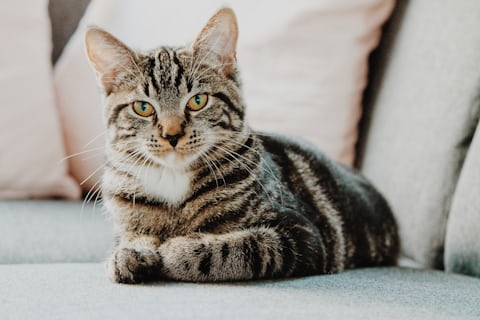
Dogs and cats show adaptable behaviors shaped by human environments: dogs excel in working tasks like herding and search-and-rescue, while cats demonstrate territorial navigation and precision hunting of small prey. Responsible domestic animals care improves health outcomes and reduces stress-driven behaviors.
| Species | Action behavior | Typical habitat | Key trait |
|---|---|---|---|
| Dog (Canis familiaris) | Herding, guarding, scent tracking | Urban homes, farms, outdoor trails | Social bonding and trainability |
| Cat (Felis catus) | Stalking, pouncing, climbing | Indoor spaces, gardens, rooftops | Stealth and spatial awareness |
| Horse (Equus caballus) | Endurance running, jumping | Stables, pastures, trails | Power and cardiovascular capacity |
Wild animals in action
Wild species perform specialized behaviors tuned to their ecosystems: raptors use aerial ambush, big cats sprint and grapple, and marine mammals execute deep dives and cooperative feeding. wildlife conservation initiatives protect these behaviors by safeguarding habitats and migration corridors.
- Predation: stealth, speed, and coordinated strategies (packs, pods, pride dynamics).
- Navigation: long-distance migrations using geomagnetic cues, sun position, and coastline features.
- Communication: vocalizations, scent marking, and visual displays to coordinate or deter rivals.
Where animals are found
Animal habitats range from forests and savannas to urban areas and polar seas. animal habitats determine diet, movement, and social structures—urban-adapted species exploit human resources, while polar species rely on sea ice and nutrient-rich waters.


Breed evolution and selection
Domestic breeds evolved through artificial selection: dog breeds evolution optimized traits like herding instinct, scent detection, and sprint speed; cats retained hunting behaviors while selecting for temperament and coat patterns. Horses were shaped for endurance, strength, and gait.
- Dogs: herding (Border Collie), scent work (Bloodhound), sprinting (Greyhound).
- Cats: agility (Bengal), sociability (Ragdoll), hypoallergenic tendencies (Siberian).
- Horses: endurance (Arabian), power (Draft breeds), sport performance (Thoroughbred).
“¿Qué animales diferentes tipos existen en la Antártida?”
In Antarctica, animal life concentrates along coasts and surrounding oceans. Key groups include penguins in Antarctica (Adélie, Emperor, Chinstrap, Gentoo), seals in Antarctica (Weddell, Leopard, Crabeater, Elephant), and whales in Antarctica (Humpback, Minke, Orca). These species rely on sea ice dynamics, krill-rich waters, and seasonal light for feeding and breeding.
| Group | Representative species | Core habitat | Action behavior |
|---|---|---|---|
| Penguins | Emperor, Adélie, Gentoo, Chinstrap | Coastal colonies, sea ice edges | Swimming dives, coordinated chick rearing, energy-efficient waddling |
| Seals | Weddell, Leopard, Crabeater, Elephant | Pack ice, nearshore waters | Under-ice breathing, ambush predation, long rests on ice |
| Whales | Humpback, Minke, Orca | Open ocean, feeding fronts | Lunge feeding, bubble-net tactics, cooperative hunting |
| Seabirds | Skua, Petrel, Albatross (subantarctic) | Peninsula coasts, offshore | Long-range soaring, kleptoparasitism, cliff nesting |
Use keyword anchors like wildlife in Antarctica, polar animals facts, and marine wildlife Antarctica to connect discovery content, travel science, and conservation calls to action.
Thumbnails and videos to reinforce the article
Thumbnails

No hay comentarios.:
Publicar un comentario