

Different types of animals: where they live, how they evolved, and what you’ll see in zoos
Animal kingdom overview
Animals span vast groups—mammals, birds, reptiles, amphibians, fish, and invertebrates—each adapted to specific habitats like forests, grasslands, wetlands, oceans, and polar regions. Zoos often organize collections by taxonomic groups or biomes, and aquariums specialize in marine life such as fish, invertebrates, and marine mammals.
Major types and where they are found
Mammals
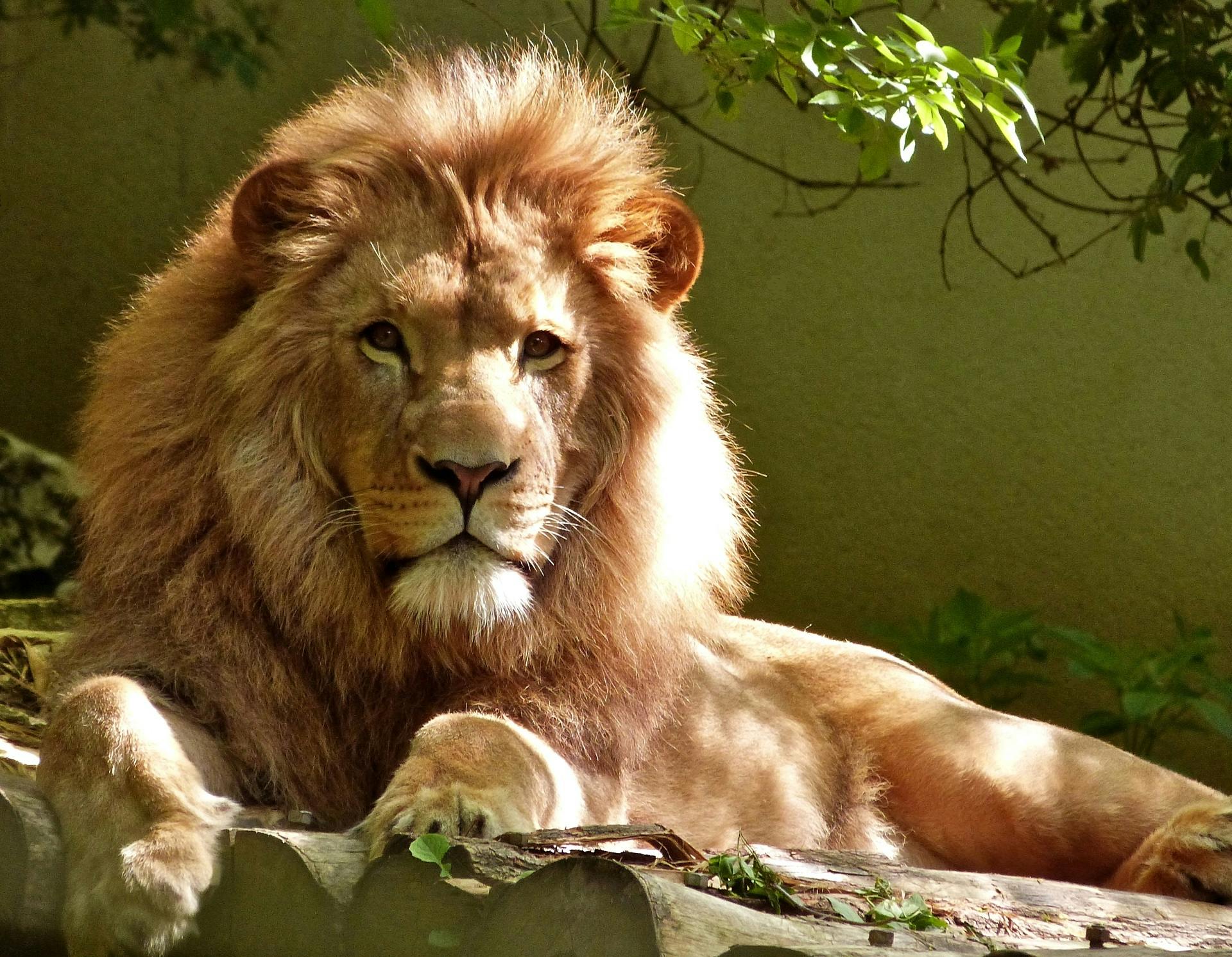
Habitats: Savannas (lions), rainforests (gorillas), tundra (polar bears). Traits: Warm-blooded, hair/fur, milk for young.
Birds
Habitats: Wetlands (flamingos), coasts (penguins), forests (toucans). Traits: Feathers, beaks, many species fly.
Reptiles
Habitats: Deserts (iguanas), wetlands (alligators), tropical forests (snakes). Traits: Scales, cold-blooded.
Amphibians
Habitats: Ponds, streams, moist forests (frogs, salamanders). Traits: Dual life (water and land), permeable skin.
Fish
Habitats: Rivers, lakes, oceans (sharks, salmon). Traits: Gills, fins, aquatic.
Invertebrates
Habitats: Across all biomes (insects, mollusks, corals). Traits: No backbone, diverse body plans.
Evolution and diversification
Evolution is the change in heritable characteristics across generations, driven by processes like natural selection, genetic drift, mutation, and gene flow. These mechanisms shape adaptations and can lead to speciation, where populations diverge into distinct species over time.
Natural selection continually refines traits to fit ecological niches. When niches change or disappear, some lineages adapt or radiate into new niches, while others decline or go extinct—driving the dynamic tapestry of biodiversity we see today.
Tip: Domesticated “breeds” (e.g., dog breeds) are rapid, human-directed selection within a species; “species” differences arise via evolutionary processes over longer timescales.
What different types of animals can you see in zoos?
Most established zoos display broad collections—big cats, primates, ungulates, birds, reptiles, amphibians—while many newer facilities focus on specific groups (e.g., primate centers, big-cat sanctuaries, tropical aviaries). Marine life is typically housed in aquariums, which feature fishes, marine invertebrates, and marine mammals.
Common zoo species include lions, tigers, giraffes, elephants, rhinos, hippos, gorillas, chimpanzees, bears, pandas, zebras, penguins, flamingos, sloths, snakes, and turtles—representing multiple animal classes and habitats worldwide.
Quick facts: selected animals


SEO keywords to target (aiming CPC $0.50–$1.00; 1,000–10,000 monthly searches)
Use long-tail queries with transactional or informational intent to improve relevance and ad match. Validate CPC and volume with current PPC tools and industry benchmarks before launch.
Featured wildlife videos
Explore current wildlife clips and educational streams to deepen engagement. Curated channels and annual roundups showcase rare behaviors and conservation stories.
LIVE: Predator encounters (Nat Geo Animals)
Weirdest wildlife videos of 2025
Want more? Subscribe to trusted wildlife channels to keep your article fresh with new clips.

No hay comentarios.:
Publicar un comentario