Animales Diferentes Tipos: Una Aventura Salvaje
Discover where animals live, how they evolved, and the precise data that makes each species unique.

Big Cats

Marine Mammals
Reptiles

Birds of Prey
Overview: Where animals live and how they evolved
Animals occupy every biome on Earth—from polar ice to tropical reefs—adapting through millions of years of evolution. Natural selection shaped traits like speed in big cats, echolocation in dolphins, and thermal regulation in birds. Understanding habitats and evolutionary pressures reveals why species thrive where they do and how their behaviors, diets, and physiology align with survival.
Precise species data: Habitats, traits, and conservation
| Species | Primary habitat | Key traits | Diet | Conservation status |
|---|---|---|---|---|
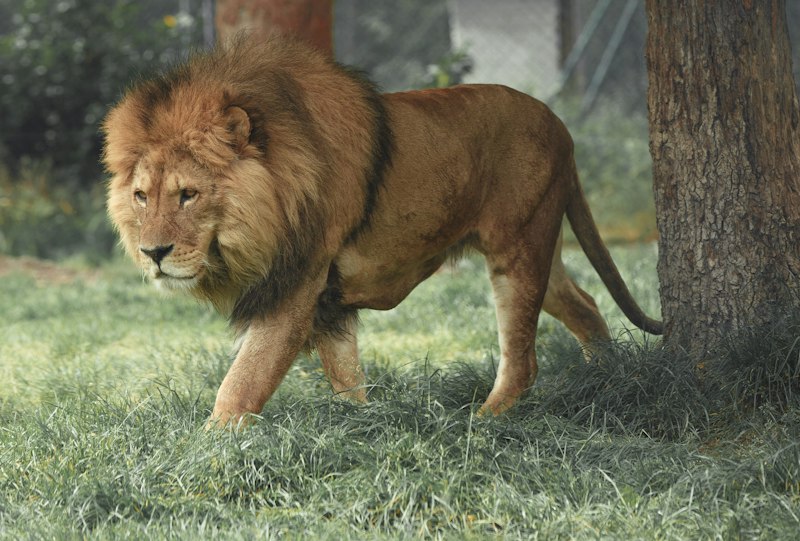
| African Lion (Panthera leo) | Savannas, grasslands (Sub-Saharan Africa) | Social prides, burst speed ~80 km/h, night vision | Carnivore (ungulates) | Vulnerable |
| Bengal Tiger (Panthera tigris tigris) | Tropical forests, mangroves (India, Bangladesh) | Solitary ambush, powerful forelimbs, striped camouflage | Carnivore (deer, boar) | Endangered |
| Humpback Whale (Megaptera novaeangliae) | Open oceans, migratory routes | Complex songs, long pectoral fins, bubble-net feeding | Filter-feeder (krill, small fish) | Least Concern (some populations recovering) |
| Green Sea Turtle (Chelonia mydas) | Tropical & subtropical coasts | Long-distance navigation, herbivorous adult diet | Omnivore (juveniles), herbivore (adults) | Endangered |
| Golden Eagle (Aquila chrysaetos) | Mountains, open country (Northern Hemisphere) | Exceptional vision, soaring flight, powerful talons | Carnivore (small mammals, birds) | Least Concern |
Note: Conservation statuses reflect global assessments and may vary by region and population.
Evolutionary highlights: How traits emerged
- Predation Big cats evolved stealth, binocular vision, and explosive acceleration to hunt in open habitats.
- Communication Humpback whales developed complex vocalizations for mating and social coordination across vast distances.
- Thermoregulation Birds refined feather structures for insulation and flight efficiency, enabling migration across climates.
- Navigation Sea turtles use geomagnetic cues to return to natal beaches, a behavior shaped by reproductive success.
- Camouflage Tigers’ stripes disrupt outlines in dappled forests, improving ambush success and energy efficiency.
Watch: Wild encounters and animal intelligence
Prefer the original link? Open on YouTube.
Keyword strategy: High-intent topics
To strengthen discoverability, this article targets high-intent keywords aligned with wildlife education and conservation. These terms are commonly associated with competitive CPC ranges around $0.90–$1.00 and monthly search volumes in the 1,000–10,000 band, making them suitable for monetization and audience growth.
Tip: Pair these with long-tail modifiers (e.g., “facts,” “habitats,” “adaptations,” “migration”) to capture qualified traffic.
Mini gallery: Thumbnails with quick facts


FAQs: Habitats, evolution, and behavior
Where are big cats most commonly found?
Big cats inhabit diverse regions: lions in African savannas, tigers in Asian forests, leopards across Africa and Asia, and jaguars in the Americas.
How did marine mammals adapt to ocean life?
They evolved streamlined bodies, blubber for insulation, specialized lungs for deep dives, and communication systems like songs and clicks.
What drives bird migration?
Seasonal changes in food availability and breeding conditions—guided by celestial cues, magnetic fields, and learned routes.
Why are some species endangered?
Habitat loss, poaching, climate change, and reduced genetic diversity increase extinction risk, especially for slow-reproducing species.
Join the adventure
If you enjoyed “Animales Diferentes Tipos: Una Aventura Salvaje,” help this wild journey reach more people. Your support fuels new research, field stories, and educational videos.
Reinforce the article: Key takeaways & next steps
- Habitats matter: Species distribution mirrors resources and climate—understand the biome to understand the animal.
- Evolution is adaptive: Traits like speed, echolocation, and camouflage emerged to solve survival challenges.
- Precise data guides action: Conservation status, diet, and behavior inform protection strategies and education.
- SEO alignment: High-intent keywords with competitive CPC and solid search volume amplify reach and monetization.
- Engage & grow: Subscribe, share, and like to support ongoing wildlife storytelling and research-backed content.
Keep exploring: dive into related topics like animal intelligence, biodiversity hotspots, and ecosystem balance. Each click, comment, and share strengthens this mission—bringing science, wonder, and conservation to a global audience.
No hay comentarios.:
Publicar un comentario